Chlorine in Drinking Water
What You Need to Know
Chlorine may be good for your pool, however, it isn't so good to add chlorine in drinking water. This article explores how chlorine affects your health and promotes awareness for the need of water filtration products in your home. I have used water filtration products for years in my own home. When it comes to overall health and wellness, water filtration products are a must.
"There is increased evidence for an association between rectal, colon and bladder cancer and the consumption of chlorinated drinking water", this according to the President's Council on Environmental Quality.
Why Use Chlorine? Chlorination is used extensively by municipal water treatment plants to disinfect water. However, the gaseous chlorine used by these plants is much too dangerous for home use. Household bleach (a 5.25% solution of sodium hypochlorite which is equivalent to 5% available chlorine) can be used for disinfecting drinking water (How to Super Chlorinate). When chlorine is fed into water, it first reacts with any iron, manganese, or hydrogen sulfide that may be in the water. If any residual (un-reacted) chlorine remains it will next react with any organic material (including bacteria) present. In order to ensure that the water remains protected throughout the distribution system, an excess of chlorine, usually .5 parts per million (ppm) is added. In large systems chlorine will be added again at distribution junctions. This "rate of feed" is normally adjusted to make sure that sufficient chlorine is available to fully react with the organics present. When both the mineral and organic reactions have been completed, any residual chlorine remains in the drinking water. Most people find the taste of water with residual chlorine to be objectionable but they do get used to it! Chlorination kills many pathogenic bacteria (including those which cause typhoid, cholera and dysentery), however cyst-forming protozoa (Cryptosporidium), which cause amoebic dysentery, and giardiasis, are extremely resistant to chlorination.
So What's the Problem?
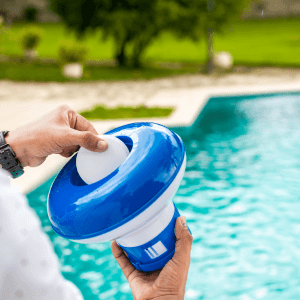
Chlorine as stated above is a very effective disinfectant and has been used in drinking water supplies for nearly 100 years. What concerns health officials are the chlorination by-products, "chlorinated hydrocarbons, “known as trihalomethanes (THM's). Most THM's are formed in drinking water when chlorine reacts with naturally occurring substances such as decomposing plant and animal materials. Risks for certain types of cancer are now being correlated to the use of chlorinated drinking water. Suspected carcinogens make the human body more vulnerable through repeated ingestion and research indicates the incidents of cancer are 44% higher among those using chlorinated water.
To minimize the risks of using chlorine, the EPA (Environmental Protection Agency) adopted new regulations in November 1980, requiring cities to cut down the chlorination by-products in water to a level not exceeding 100 parts per billion. Dr. Robert Harris, an environmental scientist and one of the three members of the White House Advisory Council, said that while this new reduced level is a beginning, but it still doesn't provide proper safeguards and should be strengthened. Dr. Harris recommended that citizens find out the current levels of chlorinated by-products in their drinking water and if necessary buy bottled water or home purifying systems. Yet, there is little likelihood that the use of chlorine will be discontinued since it is currently the MOST ECONOMICALLY acceptable chemical for bacterial control at this time.
It is ironic that chlorination, the very process by which we cleanse our water of infectious organisms, can create cancer-causing substances from otherwise innocent chemicals in water. Cancers of the kidney, bladder and urinary tract are more common in certain cities than others; why? new Orleans takes its tap water from the highly polluted Mississippi River and adds chlorine in excess of government standards to insure protection against infectious diseases. Approximately 63 new carcinogenic compounds are created in Mississippi drinking water when chlorine combines with methanol, carbon disulphide, and other substances. There are also increased health risks with aluminum in water. It's time to learn more about water filtration and how you can eliminate the contaminants in water. Make sure you are drinking healthy and clean water.
Source: Aquasana