
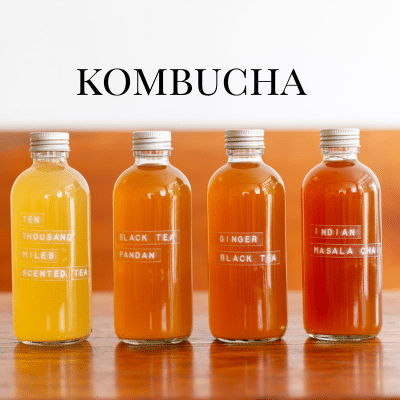
5 Health Benefits of Kombucha
Good health begins in the gut, and after 40, supporting your gut microbiome becomes one of the most important things you can do for your overall health. Fermented foods are one of the simplest and most natural ways to do that, and kombucha is one of the easiest to add to your daily routine.
Why Gut Health Matters
If the idea that good health begins in the gut seems a bit far-fetched, think about all that happens during digestion. From the moment food touches your lips, whether it be a Hostess cupcake or a baby carrot, a series of physiological responses begins to take place, all of them serving the same purpose: to break nutrients down into usable building blocks for your body.

If any of those processes become inefficient or aren’t working as they should, your body’s ability to receive the maximum level of nutrition from the food you eat is compromised, thereby resulting in increased sickness, lack of energy and a predisposition to the disease.
Simply stated, your gut is the gateway of nutrition to the rest of your body. As a result, the idea that you are what you eat, really is true. What we consume may have a direct result on how good we feel.
In fact, a recent study from Harvard points to gut health as an important factor in overall well-being and health. The article specifically addresses the importance of good gut bacteria. Think of your digestive system as a small community with all types of bacteria. If the unhealthy bacteria overwhelm the healthy bacteria, an imbalance occurs that can lead to poor digestion. This in turn leads to some of the health concerns mentioned previously.
Enter Fermented Foods
Enter fermented food! Our healthy gut bacteria thrive on the stuff, and it can be a key component in helping replace good bacteria that have been diminished due to illness, antibiotics, or unhealthy eating. This is also where kombucha can enter the equation. Where’s the connection you say?
A critical piece of gut health is a good balance of bacterial flora, which relies heavily on probiotics. Kombucha, as with all fermented foods, packs a punch where probiotics are concerned.
First brewed in China roughly 2,000 years ago, the drink spread to Japan and Russia and has eventually become so widespread that the fermented tea drink can be readily found in most grocery stores today. The basic ingredients include yeast, sugar, and black or green tea. Allowed to sit for at least a week, the fermentation process produces a symbiotic colony of bacteria and yeast (SCOBY), which can be used in turn to ferment more kombucha.
5 Health Benefits of Kombucha
Surprisingly, kombucha has a pleasant effervescent taste, and it’s full of health benefits.
1. Supports Gut Health and Immunity. Probiotics, present in kombucha, can help with diarrhea and irritable bowel syndrome, and they may even strengthen your immune system.
2. Fights Harmful Microorganisms. During the fermentation process of kombucha, acetic acid is produced (a substance also present in vinegar) and has been found to inhibit the growth of potentially harmful microorganisms.
3. Supports Blood Sugar Balance. Kombucha has been shown to slow the digestion of carbohydrates, which helps support healthy blood sugar levels.
4. Supports Heart Health. According to studies, kombucha may improve two markers of heart disease, “bad” LDL and “good” HDL cholesterol.
5. Rich in Antioxidants. Kombucha contains antioxidants that are known to fight free radicals (reactive molecules that can damage your cells).
How to Choose a Quality Kombucha
Not all kombucha is created equal. Many store-bought versions are high in added sugar, which reduces their probiotic benefit. When choosing kombucha, look for:
- Low sugar content with an ideal amount under 5 grams per serving.
- Live cultures should be listed on the label.
- Raw or unpasteurized versions are best. Pasteurization kills the beneficial bacteria.
- Organic ingredients where possible.
You can also make your own at home. Here is a simple method to get started.
Who Should Be Careful with Kombucha?
Kombucha isn’t for everyone. Those who are sensitive to or need to avoid caffeine or alcohol may want to limit or avoid kombucha. Because kombucha is fermented, some people with sensitive digestion may also want to start slowly and see how their body responds.
Where to Start
Kombucha is one simple addition to a gut-healthy lifestyle, but it works best as part of a broader foundation of healthy habits. The Healthy Habits Challenge gives you the complete framework for supporting your gut health naturally, one habit at a time. For more on gut health, explore our gut health articles.