
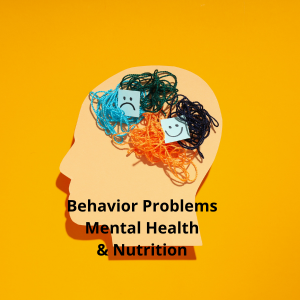
Can Nutrition Affect Mental Health & Behavior?
Have you ever noticed how your mood shifts after eating certain foods? Or how anxiety, irritability, and mental fog seem to worsen during periods of poor sleep, high stress, or gut trouble? The connection between what we eat, how our gut functions, and how we think and feel is more direct than most people realize, and it is one of the most underexplored areas of mental and behavioral health as well as behavior problems.
Moving Beyond the Labels of Behavior Problems
We have created labels for people who have behavior problems in social relationships, including obsessive-compulsive disorder, paranoid personality disorder, antisocial personality disorder, and narcissistic personality disorder. These labels describe people who have difficulty creating functional, cooperative, and happy relationships with others. These issues are common today, and reports say that they affect about 10% of the population.
Although these labels are diagnostic, they are not based on specific tests, such as lab tests or X-rays, or on observed physical symptoms. The label is applied when your behaviors match a predefined list. Once an individual is given a label, they may feel that this label now defines who they are. Leaving them feeling that they have lost the ability to change.
Let’s move beyond the label and take a holistic approach to behavioral problems. Nutrition, toxins, and trauma or PTSD, can all influence a person’s overall well-being.
The Gut-Brain Connection

Before exploring the root causes, it is worth understanding why gut health matters so much for mental and behavioral health. The gut and brain are constantly communicating through the gut-brain axis. This axis is a bidirectional network connecting your digestive system and your central nervous system.
Approximately 90% of the body’s serotonin is produced in the gut, where it is a key mood-regulating neurotransmitter. When the gut microbiome is imbalanced, serotonin production is disrupted, inflammation increases, and the nervous system becomes dysregulated. This can show up as anxiety, depression, irritability, brain fog, and difficulty managing emotions and relationships.
This is why supporting gut health is not just about digestion. It is foundational to mental clarity, emotional resilience, and behavioral health.
Some Root Causes of Behavior Problems
Nutrition
Some interesting evidence demonstrates how nutrition affects mental health and behavior. Studies in cats and mice show that the diets they were given affected their mental and physical health. The mice and cat groups fed lots of sugar did the worst. Symptoms in these cats and mice ranged from fat deposits, skeletal deformities, irritability, and nervousness.
Barbara Reed’s research on juveniles and her studies can be found in her book “Food, Teens, and Behavior.” She found that juveniles who ate many nutritionally deficient processed foods and snacks seemed to have more behavioral problems. This same principle also applies to adults and becomes even more relevant as we age and our nutrient absorption naturally declines.
Toxins
Many substances are toxic to the brain and can adversely affect mood and lead to behavior problems. Lead can be found in drinking water, soil, paint, food, spices, and products that many consumers use. Lead has been found to cause problems with memory, the ability to learn, and mood disorders like anxiety and depression.
Mercury also has negative impacts on the immune and nervous systems and can be found in many products, such as dental fillings, batteries, and certain pharmaceuticals, as well as in our environment and reservoirs. Organic solvents, which dissolve other substances, are used in paints, automotive fluids, spot removers, dry cleaning solutions, and many industrial applications today. These also adversely affect the nervous system, and long-term exposure can cause depression, anxiety, delusions, and even, some say, dementia.
Trauma
No one makes it to 40 without some trauma. Whether it involves chronic pain or illness, an accident, surgery, abuse, or service in a war. Trauma leaves a mark on the nervous system. Traumatic experiences trigger the fight-flight-freeze response in our nervous system, and without proper support, that response can become chronic. This can continue contributing to anxiety, hyperreactivity, mood dysregulation, and difficulty in relationships.
Trauma requires emotional support for recovery. Support can include family or friends, spiritual practice, or professional care. E.M.D.R. (Eye Movement Desensitization and Reprocessing) is a form of therapy that helps individuals reprocess their traumatic memories and has shown strong results in helping them to heal or better deal with trauma.
Natural Solutions
Addressing the root causes of behavior problems and mental health challenges naturally involves supporting the body as a whole. Focusing on the gut, nervous system, nutrition, and environment together.
Eat to Support Your Brain and Gut
Remove sugar-laden foods, including cookies, candy, cakes, soda, and processed boxed foods. Focus on replacing them and eating whole foods, lean proteins, healthy fats, and whole grains. What you eat directly affects your gut microbiome, your neurotransmitter production, and your mood.
Support Your Gut — Your Second Brain
A healthy gut microbiome is essential for mental and emotional health. Focus on probiotic-rich foods, fiber, and anti-inflammatory nutrition to support the gut-brain axis. Learn more about gut health and your microbiome here.
Support Your Nervous System
B-complex vitamins are particularly important for nervous system function, stress resilience, and energy production. Magnesium is also valuable for calming the nervous system and supporting sleep and mood.
Detoxify Your Environment
Reduce your exposure to toxins where possible. Filter your drinking water, choose natural cleaning products, and be mindful of the personal care and household products you use daily. Small changes add up significantly over time.
Consider Bach Flower Essences
Bach Flower Essences are a gentle, natural way to support emotional balance. They can be a helpful complement to other lifestyle changes for those dealing with anxiety, stress, or emotional dysregulation.
Where to Start
Mental and behavioral health after 40 is rarely just about the mind. It is about the gut, the nervous system, nutrition, and the accumulated experiences your body has been carrying. The Healthy Habits Challenge is a simple, practical starting point for building the foundation your body and mind need to rebalance naturally.
This article was originally published as part of the Sunshine Sharing newsletter series.
Browse the archive