
Dietary Fiber for Gut Health Especially After 40
Are you getting enough dietary fiber for gut health?
If you have trouble with blood sugar changes, weight that won’t budge, or inflammation, a lack of dietary fiber could be a problem. Dietary fiber is essential for gut health and plays a major role in overall health.
Most people get only about half the fiber they need. Women should aim for 25 grams a day, and men should aim for 38 grams a day. Today’s diets are loaded with processed foods and short on vegetables, leading to a diet low in fiber. A low-fiber diet can affect your gut health, metabolism, and heart health, and can increase your risk for certain diseases over time.
After age 40, eating enough dietary fiber for gut health becomes even more important because digestion slows, blood sugar changes, and inflammation often increases.
So let’s take a look at why dietary fiber for gut health is important and how it can help you take care of your health.

What Is Dietary Fiber and Why Is It Important for Gut Health?
Fiber is a part of many plant foods that our body can’t digest, yet it plays a major role in our health. There are two types of fiber: soluble and insoluble. Both types support digestion, promote good gut bacteria, and help regulate how we process and absorb nutrients.
How Dietary Fiber Supports Gut Bacteria and Short-Chain Fatty Acids
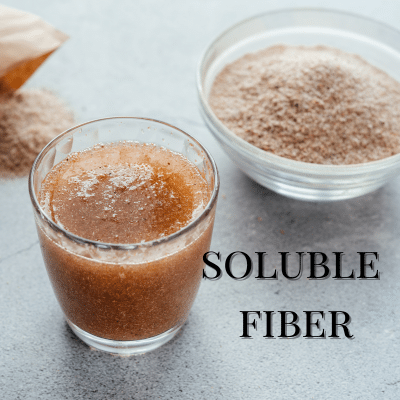
Soluble fiber dissolves in liquid and forms a gel-like substance in the digestive tract. It isn’t broken down by enzymes; it is broken down or fermented by the beneficial gut bacteria. As it goes through this fermentation process, it produces short-chain fatty acids (SCFAs). Soluble fiber feeds beneficial gut bacteria, which play a major role in digestion, immunity, and inflammation. SCFAs are very powerful and beneficial.
SCFAs help to promote the structural integrity of the gut lining, help balance blood sugar, reduce cholesterol, support a healthy immune system, and control inflammation. SCFAs are also extremely important to our metabolism, helping to regulate energy, metabolism, and our feelings of fullness.
Insoluble Dietary Fiber and Digestive Regularity
Insoluble fiber is the fiber that does not dissolve in water and moves through your digestive system, adding bulk to your stool. This bulk helps keep things moving along, reduces pressure, which can often lead to hemorrhoids, and helps absorb toxins. Following a gut healthy diet can also help support digestion and improve overall gut health.
Sources of Soluble and Insoluble Fiber
Sources of soluble fiber include oats, barley, flax and chia seeds, beans and legumes, apples, pears, berries, bananas, carrots, broccoli, sweet potatoes, and onions. It is also found in psyllium, slippery elm, marshmallow root, acacia gum, and inulin (FOS). Many of these soluble fibers can act as prebiotics, which provide food for the good bacteria in the gut.
Sources of Insoluble Fiber include whole grains, bran, nuts and seeds, beans and peas, avocados and slightly green bananas, celery, zucchini, cauliflower, and the peels of fruits and vegetables.
Dietary Fiber for Gut Health, Blood Sugar & Metabolism
Fiber plays a foundational role in gut health, especially as digestion changes with age. If you want to stay regular with soft stool and prevent constipation, fiber is your go-to. Fiber also feeds the good bacteria and helps maintain the structure of your gut lining, which helps prevent leaky gut. In my work with clients who have gut health concerns, I’ve found that many tolerate gentle, soluble fibers like slippery elm much better than more aggressive fibers like psyllium.
Fiber plays a key role in supporting healthy blood sugar and metabolism. Fiber can help slow digestion, which is important because this affects how quickly your body absorbs and processes the sugars and carbohydrates you eat. With metabolic syndrome on the rise as one of today’s chronic health concerns, eating dietary fiber for gut health is very beneficial because many studies have shown that soluble fibers like psyllium can help improve blood sugar control (insulin sensitivity), cholesterol levels, and help you feel fuller for longer. This is especially important for adults over 40 who are already eating “healthy” but still struggling with blood sugar balance or weight that won’t shift.
Eating enough dietary fiber also supports cardiovascular health. It supports overall heart health by helping lower total and LDL cholesterol, supporting healthy blood pressure, reducing inflammation, and decreasing your risk of blood clots. When you eat fiber, it binds to bile salts and fatty acids. Once it forms that bond, it prevents your body from reabsorbing cholesterol and also assists the liver in its detoxification pathway.
Dietary fiber for gut health also helps reduce your risk of colon, breast, and prostate cancer. Eating dietary fiber for gut health helps bind and eliminate toxins through the digestive tract, reducing the body’s overall toxic burden. Today’s exposure to environmental toxins is high, especially in xenoestrogens, and the fiber helps the body get rid of these toxins. Many fiber-rich foods contain lignans and phytoestrogens that help protect hormone-sensitive tissues.
Short-Chain Fatty Acids – Why Fiber Is Non-Negotiable
When gut bacteria ferment soluble fiber, they produce SCFAs, including butyrate, acetate, and propionate. If you don’t eat fiber, your body can not produce SCFAs. SCFAs have a huge role in our health! They nourish the cells in our colon, strengthen the gut, reduce inflammation, support a healthy immune system, improve insulin sensitivity, and have a major impact on our brain health, mood, and how stress affects us. If you don’t eat dietary fiber for gut health, you can’t produce these major players!
How to Increase Dietary Fiber Without Bloating
You can boost your daily dietary fiber for gut health through whole foods or supplements.
Eating whole foods supports digestion. Eat fruits and vegetables (especially with their peels on), opt for whole fruits instead of juices, add beans, nuts, and seeds to your meals or snacks, and choose whole grains over refined grains.
If you choose to add a supplement, start slowly to give your digestive system time to adjust. Not all fiber supplements are appropriate for everyone, which is why choosing the right type and dose matters. Many of today’s fiber supplements are individual or a combination of various fibers. Below is a list of some of the common ones.
- Psyllium is a soluble fiber that helps with regularity, cholesterol, and blood sugar.
- Apple fiber & pectin work well for digestion, helping you feel fuller and supporting gut health.
- Oat bran (beta-glucans) supports heart and metabolic health.
- Acacia gum is a gentle prebiotic that is usually well-tolerated.
- Flaxseed offers both soluble and insoluble fiber for overall support.
- Slippery elm is one of my favorites, especially if you are already dealing with an irritated GI lining, because it is very soothing.
- FOS (inulin) also feeds beneficial gut bacteria.
Many of us are low in fiber, and adding it, whether through food or a supplement, should be done gradually. Make sure to drink plenty of water throughout the day and keep moving; exercise helps with transit time. If you do become sluggish, consider adding a gentle herbal formula like Gentle Move or Triiphala to help keep things moving.
Fiber: A Foundation for Gut Health
Fiber isn’t just about digestion—it’s about gut health, metabolic balance, heart health, immune function, and long-term disease prevention.
For adults over 40, increasing the right types of dietary fiber for gut health can be one of the most impactful steps toward feeling better in your body. If you’re unsure which type of dietary fiber is right for your body, or you’re dealing with digestion, blood sugar, or metabolic concerns, personalized guidance matters. This is exactly why I wrote the Healthy Habits Challenge.
You can start with my 30 Day Gut Reset or reach out to me directly if you’d like personalized guidance choosing the right dietary fiber for your gut health, metabolism, and long-term wellness.
FAQ 1:
What is dietary fiber?
Dietary fiber is the indigestible part of plant foods that supports digestion and gut health. It helps promote regular bowel movements, supports beneficial gut bacteria, and helps maintain the structure of the gut lining. The gut lining is essential for overall digestive and immune health.
FAQ 2:
Is soluble or insoluble dietary fiber better for gut health?
Both types of dietary fiber are important for gut health. Soluble fiber supports gut bacteria and produces short-chain fatty acids that reduce inflammation, while insoluble fiber helps improve bowel regularity and supports colon health.
FAQ 3:
How much dietary fiber do adults over 40 need?
Most adults over 40 need between 21–38 grams of dietary fiber per day, depending on age and gender. Unfortunately, many people consume only about half of this amount, which can negatively impact digestion and metabolic health.
FAQ 4:
Can dietary fiber help improve digestion and reduce bloating?
Yes, dietary fiber can improve digestion when increased gradually. Soluble fibers are often better tolerated and can help support gut health while reducing bloating when paired with adequate hydration.
Continue Learning About Gut Health
If you’re interested in improving digestion and overall wellness, these articles may also be helpful: