
Digestive Enzymes and Gut Health
This post may contain affiliate links. I may earn a small commission if you purchase through these links at no additional cost to you.
The best quality food in the world won’t do your body any good if you can’t properly digest it. After 40, your digestive enzyme production starts declining, and you are unable to digest the food you are eating.
Digestive enzymes are the superheroes of the digestive process. Without them, your body cannot break down food into the nutrients it needs for energy, repair, and overall health. When enzyme levels drop, symptoms like bloating, gas, indigestion, and fatigue often follow. While common, these symptoms should not simply be dismissed as normal aging.
What are Digestive Enzymes

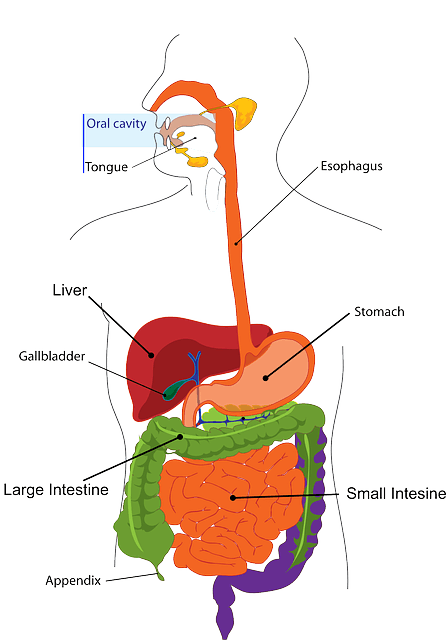
Digestive enzymes are proteins produced by the body mostly in the pancreas, stomach, and small intestine. These enzymes break down food into smaller molecules that your body can absorb and use.
The three main types are:
Protease — breaks down proteins into amino acids. Essential for muscle repair, immune function, and hormone production.
Amylase — breaks down carbohydrates into simple sugars. Produced in the saliva and pancreas.
Lipase — breaks down fats into fatty acids. Essential for absorbing fat-soluble vitamins like A, D, E, and K.
Without adequate levels of all three, digestion becomes incomplete. Incomplete digestion may contribute to nutrient deficiencies, digestive discomfort, and inflammation over time.
How Digestive Enzymes Change After 40
After 40, several things happen that can reduce your body’s enzyme output:
Stomach acid declines. Hydrochloric acid activates digestive enzymes, particularly protease. When stomach acid is low, enzymes cannot be fully activated, and protein digestion suffers.
Pancreatic enzyme output decreases. The pancreas produces less amylase and lipase with age, reducing the body’s ability to break down carbohydrates and fats efficiently.
Gut microbiome diversity changes. A healthy microbiome supports enzyme activity. As the diversity of the microbiome declines with age, stress, and antibiotic use, enzyme function becomes further compromised.
Processing and cooking destroy food enzymes. Raw and fermented foods contain natural enzymes that support digestion. The modern processed diet and cooking with high heat eliminate most of these natural food enzymes, placing the full burden on your body’s own enzyme production.
The result is a digestive system working harder with less support. That is why bloating, gas, indigestion, and that uncomfortable I ate too much feeling after meals become so common.
Signs You May Need Digestive Enzyme Support
If several of these sound familiar, your digestion may be asking for support:
- Bloating after meals
- Excessive gas
- Indigestion or heartburn
- Feeling overly full after eating small amounts
- Undigested food in the stools
- Nausea after eating fatty meals
- Fatigue after eating
- Nutrient deficiencies despite eating well
- Skin issues like eczema or acne
- Frequent digestive discomfort
These symptoms are often signs that your digestive system needs targeted support.
The Gut Health Connection
Digestive enzyme function and gut health are inseparable. A healthy gut lining, balanced microbiome, and adequate stomach acid are all essential for enzymes to work properly. When the gut is inflamed or imbalanced, enzyme activity is disrupted, and digestion suffers even when enzyme levels are adequate.
This is why addressing gut health alongside enzyme support produces far better results than supplementation alone. Supporting your microbiome with fermented foods, fiber, and reduced intake of processed foods creates the environment your enzymes need to function optimally.
For a deeper understanding of how enzymes work at the cellular level, read our article What Are Enzymes and Why Do They Matter for Your Health?
Natural Ways to Support Digestive Enzyme Production
Eat More Raw and Fermented Foods. Raw fruits and vegetables contain natural food enzymes that support digestion. Fermented foods like yogurt, kefir, sauerkraut, and kimchi support both the microbiome and enzyme activity. Pineapple contains bromelain, and papaya contains papain, which are both powerful natural digestive enzymes.
Chew Your Food Thoroughly. Digestion begins in the mouth. Amylase in your saliva starts breaking down carbohydrates before food even reaches your stomach. Chewing slowly and thoroughly reduces the burden on your digestive enzymes later on.
Manage Stress. Chronic stress activates the fight-or-flight response, which diverts your body’s focus away from digestion. Cortisol suppresses enzyme production and reduces stomach acid. Managing stress is one of the most impactful things you can do for digestive health.
Support Stomach Acid Levels. Since stomach acid activates digestive enzymes, low stomach acid directly impairs enzyme function. Reducing processed foods, managing stress, and staying hydrated all support healthy stomach acid production.
Consider Targeted Supplementation. I personally use Proactazyme digestive enzymes and have for years. They have helped me feel less bloated and gassy, and I no longer experience that uncomfortable overly full feeling after meals. For targeted support, here are my favorite Nature’s Sunshine options:
- Food Enzymes break down carbohydrates, fats, and proteins with added hydrochloric acid for more support digesting proteins.
- Proactazyme is a plant-based enzyme blend for carbohydrates, fats, and proteins.
- Papaya Mint helps support protein breakdown gently and naturally.
- Hi-Lipase was designed to target and support fat digestion.
- Lactase Plus helps support dairy digestion.
I have not eaten dairy in my whole life, I was raised on goat’s milk. Sometimes, when I am out, dairy will be more than I can handle and Lactase Plus is really helpful.
Frequently Asked Questions
Do I need digestive enzymes after 40?
Many adults over 40 benefit from digestive enzyme support because stomach acid, pancreatic output, and gut microbiome diversity all naturally decline with age. If you experience regular bloating, gas, or digestive discomfort, enzyme support is worth exploring.
What is the best digestive enzyme supplement?
The best enzyme supplement depends on your specific digestive issues. Food Enzymes and Proactazyme from Nature’s Sunshine are broad-spectrum options that support protein, fat, and carbohydrate digestion. For dairy issues specifically, Lactase Plus is a targeted option.
Can digestive enzymes help with bloating?
Yes, because bloating is often caused by incomplete digestion of proteins, fats, or carbohydrates. Digestive enzymes help break these down more completely, reducing the fermentation in the gut that causes bloating and gas.
Are digestive enzyme supplements safe?
For most people, digestive enzyme supplements are well tolerated. If you have a specific health condition or are taking medications, consult your healthcare provider before starting supplementation.
What foods contain natural digestive enzymes?
Pineapple (bromelain), papaya (papain), mango, kiwi, ginger, sauerkraut, kefir, and raw honey all contain natural digestive enzymes that support the digestive process.
Where to Start
Supporting your digestive enzymes is one of the most practical steps you can take to improve gut health, energy, and nutrient absorption after 40. Start with diet changes. Eating more raw foods, fermented foods, and thoroughly chewing. If symptoms persist, targeted enzyme supplementation can make a meaningful difference.
The Healthy Habits Challenge gives you the foundational daily habits that naturally support gut health and digestion. For more on gut health support, explore our 6-Week Clean Eating Kickstart or browse our Gut Health articles.
This article was originally published as part of the Sunshine Sharing newsletter series. Browse the archive