
Natural Topical Remedies for Pain, Inflammation, and Skin Support
If you are dealing with chronic pain, inflammation, or skin issues and want natural topical remedies for relief without taxing your digestive system, topical applications are worth exploring. Most people think of herbs and natural remedies as something you ingest, but applying them directly to the skin allows you to target specific areas of the body while bypassing the gut entirely.
This matters especially if your digestive system is already under stress, or if you are taking medications that affect gut health. Topical remedies give your body another pathway to support healing naturally. You can use topical applications to promote healing, reduce pain and inflammation, and soothe the skin.
Why Topical Applications Matter for Gut Health
For adults dealing with inflammation, chronic pain, or digestive sensitivity, topical applications offer a valuable advantage because they can work locally without burdening the gut. Many over-the-counter pain and anti-inflammatory medications can irritate the gut lining, disrupt the microbiome, and contribute to leaky gut over time.
Natural topical remedies, including herbs, essential oils, salves, and clays, can allow you to support healing at the site of pain or inflammation while protecting the gut health you are working hard to restore.
Topical Methods
Methods for applying natural topical remedies include the following:
- Compresses are usually folded cloths applied firmly to reduce swelling, inflammation, or pain. They can be cold or warm.
- Fomentations use hot, moist substances, such as a cloth dipped in hot water or herbal tea. Usually used to help relieve pain, inflammation, congestion, and stiff joints.
- Poultices are often made by heating herbs or clay, spreading them on a cloth, and applying them to your skin to help with pain, inflammation, or swelling. Sometimes they can be used to draw out impurities.
- Oils, such as jojoba, coconut, or olive oil, are applied topically to moisturize or nourish the skin, helping it heal.
- Salves are thicker than oils and lotions and are often made with herbs, oils, and wax.
- Taking baths or soaks can help relieve pain, inflammation, and itchy skin, depending on the type of salt, oils, and clays you use.
Adding essential oils to herbs is often recommended when creating oils, lotions, salves, baths, and soaks to enhance their benefits.
When to Use Natural Topical Applications

Insect Bites and Stings
Moistened black or green tea bags work well. You can use the leaves from an oak, willow, or poplar tree. Astringent herbs like witch hazel are also helpful. I love Witch Hazel and have used it for bites, stings, scrapes, bumps, bruises, and sprains. It is amazing. You should always have a bottle of it in your home and your first aid kit!
Burns
Aloe vera gel is very cooling and soothing. You can also add a couple of drops of Lavender essential oil.
Cuts and Bleeding
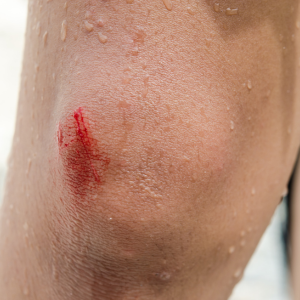
Clean it up and apply pressure to stop the bleeding. Wait to add anything topically until the bleeding has stopped. To speed healing, once the wound is closed, apply styptics like calendula or an astringent like white oak bark.
Skin Rashes and Itching
Witch hazel and aloe vera work well for rashes and itching. I would also add some essential oils of chamomile, tea tree, lemon, and helichrysum.
Reducing Inflammation and Pain
Use herbs like alfalfa, horsetail, white oak bark, and menthol and camphor essential oils. These can help reduce pain and swelling. One of my favorites for this is Tei-Fu Lotion.
Respiratory and Lymphatic Congestion
Apply eucalyptus and pine essential oils with garlic oil to your chest and back to reduce congestion and open things up. For your lymphatics, use essential oils of ginger, thyme, and rosemary to promote circulation and get things moving.
Cysts, Lumps, and Hardened Tissues
Castor oil packs have a long history of traditional use for supporting circulation, reducing inflammation, and softening hardened tissues. To use, apply a generous amount of cold-pressed castor oil to the affected area, cover with a cloth, and apply gentle heat for 30 to 60 minutes. Use consistently for best results.
Slivers
I love drawing salves for this, especially PRID Drawing Salve. Drawing salves are often made with pine gum or pine tar.
A Simple All-Purpose Skin Salve
My favorite all-purpose skin salve, used as a natural topical remedy, contains calendula-infused olive oil, beeswax, Lavender, Chamomile, and Tea Tree essential oils. It helps with itching, rashes, pain relief, and inflammation.
Natural options for pain relief, skin issues, and inflammation are always nice to create and a practical, gentle addition to your wellness routine, especially when your gut needs support, and you want to reduce your reliance on medications that may be adding to the problem.
Where to Start
If you are dealing with chronic pain, inflammation, or digestive stress, supporting your body with simple daily habits and natural wellness tools can make a meaningful difference over time.
The Healthy Habits Challenge is a practical place to start. It helps you build foundational habits that support gut health, reduce inflammation, restore energy, and help your body heal naturally from the inside out.
This article was originally published as part of the Sunshine Sharing newsletter series.
Browse the archive