
Eat to Live: What I Learned from Dr. Joel Fuhrman’s Approach to Healthy Eating
Why I Read Eat to Live
Life changes as we age, and when I went through menopause, I sought out books on healthier eating and digestion. The three books I read recently included “The China Study”, then I read the book “Your Health Your Choice”, and then I read the book “Eat to Live”. Each book basically came to the same conclusion.
These books began discussing three very different subjects. “The China Study” was an exploration of what and why certain people live longer. “Your Health Your Choice” was about pH balancing and how the food we eat affects our pH. “Eat to Live” focuses on maintaining a healthy weight, improving health, and in some cases helping reverse disease through a nutrient-dense, plant-focused approach.
The Main Takeaway
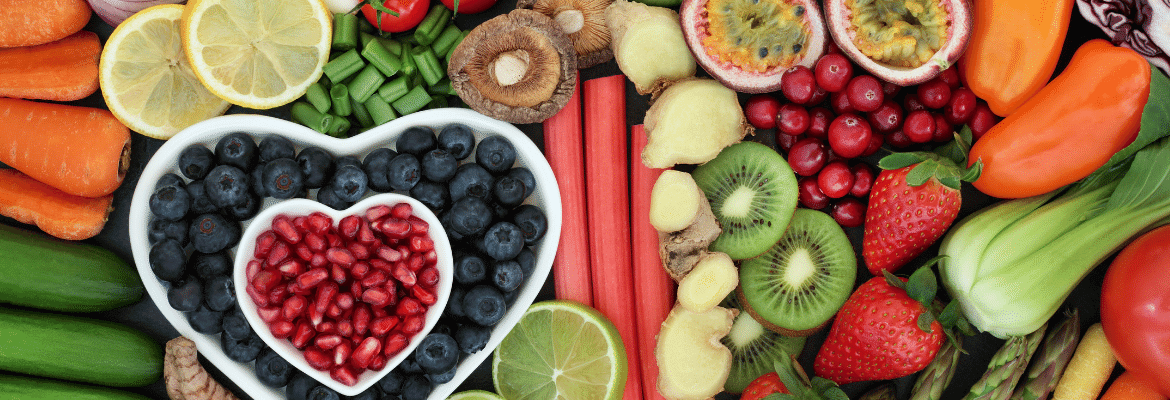
Each book drew the same conclusion: we need to eat more fruits and vegetables and less processed food.
What is Nutrient Density

Dr. Fuhrman describes in his book “Eat to Live” that nutrient density with the formula H = N/C, meaning health equals nutrients divided by calories. In simple terms, foods that provide more nutrients per calorie offer greater nutritional value. The higher the nutrient density, the better the food is for us. Dr. Fuhrman states in his book that you should shoot for eating 1 lb of raw leafy green vegetables and 1 lb of solid green vegetables per day. Leafy and solid green vegetables have the highest nutrient density.
Below are some food types in order of the highest nutrient density to the lowest:
- Raw leafy green vegetables – romaine and leaf lettuce, kale, spinach
- Solid green vegetables – asparagus, artichokes, bok choy, broccoli, brussels sprouts, cabbage, celery, cucumber, peas, peppers, snow peas, string beans, zucchini
- Non-green, non-starchy vegetables – beets, eggplants, onions, tomatoes, mushrooms, yellow and red peppers,
- Beans/Legumes – red kidney beans, chickpeas, pinto beans, cow peas, navy beans, lentils, white beans, lima beans, pigeon peas, black-eyed peas, black beans
- Fresh Fruits – apples, apricots, bananas, blackberries, blueberries, cantaloupes, grapes, kiwis, mangos, all melons, peaches, pears, persimmons, pineapples, plums, raspberries, strawberries, tangerines, watermelon
- Starchy Vegetables – white potatoes, sweet potatoes, butternut squash, acorn squash, winter squash, parsnips, pumpkins, turnips, corn, carrots, chestnuts
- Whole Grains – barley, buckwheat, millet, oats, brown rice, wild rice, quinoa
- Raw Nuts and Seeds – almonds, cashews, filberts, macadamias, pecans, pine nuts, pistachios, pumpkin seeds, sunflower seeds
- Fish
- Fat-free Dairy
- Wild meats and fowl
- Eggs
- Red Meat
- Full – fat dairy
- Cheese
- Refined Grains (white flour)
- Refined Oils
- Refined Sweets
The focus is on eating a healthy diet, which is eating more foods that are high in nutrients and less of the foods that provide little nutritional value.
Why Nutrient Density Matters
Food impacts how well we age, our overall health, and our gut health. The more nutrient-dense foods you eat, the more you feed your gut and body. Your gut microbiome loves plants and fiber, and their nutrients help support a healthy metabolism, balanced blood sugar, reduced inflammation, and steady energy.
My Experience with Eat to Live
If you are like me, you are aging and don’t quite look the way you used to or the way you want to, even if you are the same weight. After a recent 10-pound gain, I would like to lose, I have tried many diets. It’s hard to count calories and it is uncomfortable when you feel starved. I do agree that before you can modify your diet, you should write down everything you eat for a week so you can determine when and why you might be overeating. After reading the book Eat to Live and putting into action Dr. Fuhrman’s focus on nutrient-dense foods, I lost 4 1/2 lbs in one week and wasn’t even hungry. I didn’t totally give up meat, fish, and chicken. I did, however, focus on no processed foods, increasing vegetables, and reducing my portion sizes.
“Plants became the foundation of my meals, not the side dish.” — Mara Gerke
Healthy Living Is More Than Diet
Even though food has a huge impact on our gut and overall health, it isn’t the only thing that impacts it. Focusing on the following is also part of a healthy lifestyle.
- Sleep – make sure you get 7-8 hours of quality sleep each night.
- Exercise – move your body every day, even if it’s for 10 minutes.
- Stress management – manage your stress with practices such as humming, laughing, deep breathing, prayer, and meditation, which may help stimulate the vagus nerve and promote relaxation.
- Hydration – drink plenty of water, 6-8 glasses each day.
- Social connection – stay connected with family and friends and spend time outdoors. Relationships and purpose are also important parts of healthy aging.
My Approach Today
I am not vegan or vegetarian, but I do follow a highly nutrient-dense diet rich in vegetables, fruits, beans, healthy fats, and quality proteins. I believe healthy aging comes from creating habits that are sustainable and realistic. If you want to build a strong foundation, start with The Healthy Habits Challenge.
If you would like another inspiring story about how food can impact health, I also recommend the documentary “Fat, Sick and Nearly Dead.” It gave me another perspective on how I view food and healthy living.
References: Eat to Live, Dr. Joel Fuhrman