
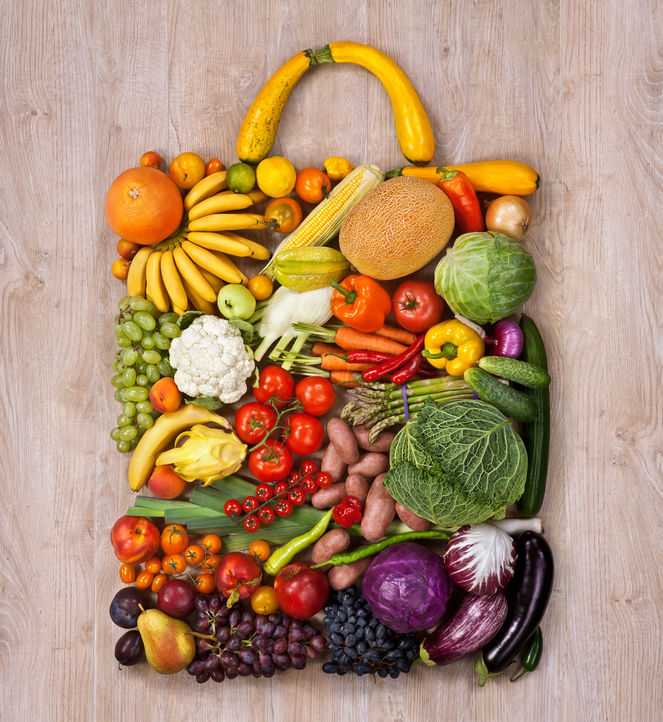
Plant-Based Diet – Benefits & Tips to Get Started
This post may contain affiliate links. I may earn a small commission if you purchase through these links at no additional cost to you.
Focusing on a plant-based diet has become increasingly popular, especially among adults looking to improve energy, digestion, inflammation, heart health, and healthy aging. Unlike strict vegan or vegetarian diets, plant-based eating focuses on eating more whole plant foods while reducing ultra-processed foods and excess sugar.
What is a Plant-Based Eating
A plant-based diet or eating is about focusing on foods derived from plants. This would include whole foods such as fruits, whole grains, legumes, nuts, and seeds. Whole foods are foods that are minimally processed.
Whole foods are also nutrient-dense, being rich in fiber, vitamins, minerals, and antioxidants to promote overall health. This diet will also exclude or minimize animal products. Plant-based diets offer a flexible approach to eating and are not as strict as vegetarian or vegan diets. You also want to avoid processed foods, refined sugars, and white flour, and excessive amounts of saturated fats and trans fats, focusing on eating healthy fats.
The Food Pyramid
Most of us are familiar with the food pyramid designed by the USDA. The purpose was to help Americans visualize the portions for each food group that are considered best for optimal health and nutrition. The first version dates back to 1992 and pictured a pyramid with the largest base representing bread, rice, cereal, pasta, and the next layer of vegetables and fruit. The third layer of the 1992 food pyramid represents dairy products, meat, nuts, beans, eggs, fats, oils, and sweets in the smallest section at the top.

After going through several different versions over the years, the most recent rendition is a circular plate (known as “My Plate”) with four divisions of fruits, grains, vegetables, and proteins, and a cup near the plate representing dairy. Grains and vegetables are the now the least significant portions on the plate. Most Americans recognize this as a balanced way to approach nutrition. However, much research has recently emerged on the merits of plant-based eating.
Worldwide Participation in Plant-Based Diet
Many countries already practice plant-based eating, and the results indicate this isn’t bad. In his book “How Not to Die,” Michael Greger shares several compelling findings from research on plant-based populations worldwide:
- As one of the largest producers of fruits and vegetables, only 7% of the adult population in India eats meat of some kind, but they do eat a large quantity of legumes and green, leafy vegetables, and their colon and rectal cancer rates are relatively rare.
- Based on a study of tens of thousands of adults in the United States and Canada, people who cut out all animal products, including fish, dairy, and eggs, appear to have a 78% reduced risk of diabetes.
- Plant-based populations (in rural Africa and plant-based Chinese populations) appear to suffer one hundred times fewer heart attacks compared to Americans of the same age.
People in the United States are catching on to the trend. While only 2% of Americans identify as vegans, research indicates that over 50% have plant-based products in their homes, and searches for plant-based recipes have increased by 85%.
How Plant-Based Eating Supports Gut Health
Your gut loves plants, fiber, and fermented foods. When you give your gut what it wants and needs, it strengthens all of you. Your gut health is tied to your immune system, energy, brain health, mood, blood sugar balance, and weight. Feed your gut what it loves and promote microbiome diversity, SCFAs, and reduce pain and inflammation.
Benefits of Eating More Plants
- Immune Function is Enhanced
- Gut Health is Improved
- Inflammation is Reduced
- Reduced Risk of Certain Types of Cancer, including colorectal and prostate cancer
- Cognitive Health is Improved
- Reduced Risk of Heart Disease, Stroke, and other cardiovascular conditions
- Easier to Maintain a Healthy Weight
- Better control of your blood sugar helps to prevent diabetes
Tips for Adding More Plants to Your Diet
While it may feel like a big leap to completely change your diet to a plant-based one, start small. There are some simple steps you can take to incorporate more fruit and vegetables, which can benefit every individual. The American Heart Association has plenty of great recommendations, but here are a few to get started.
- Add sliced fruit, nuts, and seeds to your morning bowl of cereal
- Add chopped vegetables to eggs or potatoes
- Keep raw veggie sticks accessible and handy
- Pack dried fruit or nuts as a snack on the go
- When your sweet tooth attacks, reach for fresh fruit instead of candy
- Also, create your favorite recipes with a plant-based twist
Plant-Based Protein Sources
I know you’re probably thinking, “Where’s the protein?” Well, that’s simple, protein is found in many plant foods, including:
- beans
- lentils
- quinoa
- nuts
- seeds
- tofu
Plant-based diets can be low in B12, Vitamin D, and Omega-3s, and supplementation may be necessary to get the nutrients you need. Remember, you don’t need to become fully vegetarian or vegan to benefit from eating more plants. Even adding more vegetables, legumes, fruits, nuts, and seeds to your meals can support overall health.
For more information and articles, check out our gut-healthy diet and our anti-inflammatory foods.
Even small changes can make a big impact! What we eat definitely affects our overall health. If you are interested in eating more plants to support your health, our Clean Eating Kickstart is a great place to start.