
Low Stomach Acid and Digestion: Why Stomach Acid Matters for Gut Health
As we age, our digestion changes, and our stomach acid production declines. Stomach acid plays an important role in breaking down food. This can lead to symptoms such as bloating, reflux, indigestion, or a feeling of being overly full after you eat. When stomach acid levels are low, it can affect digestion, nutrient absorption, and overall gut balance. All of which impact how you feel day to day.
Many natural health practitioners and functional medicine providers suggest that low stomach acid becomes increasingly common as we age, particularly after 40.
What Is Stomach Acid?
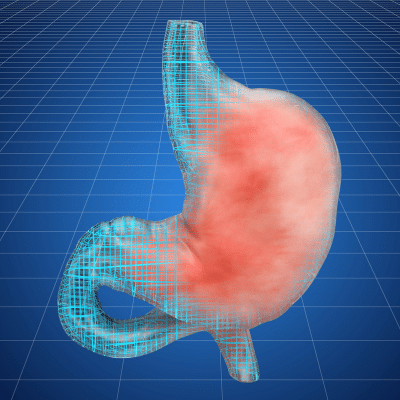
Stomach acid is a digestive fluid secreted by the glands in the lining of your stomach. It mainly consists of water, hydrochloric acid (HCl), salts, mucus, and digestive enzymes. It’s the beginning of protein digestion and the body’s first line of defense against invaders. It also assists the digestive system with nutrient absorption.
Why Stomach Acid Is Important for Digestion
Stomach acid is important and is needed for the following:

- Essential for the digestion of protein and activating digestive enzymes.
- Assists with nutrient absorption.
- Assists the immune system in defending against bacteria, viruses, and parasites.
- Needed to absorb vitamin B12, iron, calcium, and magnesium.
- Maintaining digestive balance.
Signs Your Digestion May Need Support
If you are dealing with the following signs or symptoms, you may be dealing with too little or too much stomach acid. Their symptoms are almost identical, and your digestion may need some support.
- Heartburn or reflux
- Indigestion – a sour taste or liquid in the mouth
- Bloating and/or nausea after you eat.
- Burping or Belching
- Discomfort after protein-rich meals.
- Sluggish digestion.
Low Stomach Acid and Acid Reflux
There are many underlying contributors to acid reflux, including Hiatal Hernias, obesity, diabetes, certain medications, and even pregnancy. However, your lifestyle habits and dietary habits also contribute to it. Some habits include eating fatty or fried foods, alcohol, coffee, carbonated drinks, eating too much, smoking, and your activity after you eat, like sitting or lying down.
High stomach acid is usually to blame for Acid reflux; however, some practitioners in the natural health field suggest that low stomach acid may contribute to reflux symptoms in certain individuals. When your stomach acid is low, the food you eat ferments, causing bloating and gas, which pushes this undigested content back up.
Many people in the natural health field say that to determine your stomach acid levels, try baking soda or apple cider vinegar.
It’s important that if you have symptoms, you consult a medical professional to determine why.
GERD, or gastroesophageal reflux disease, is a chronic condition that creates a burning sensation in your chest and throat due to stomach contents repeatedly flowing back into the esophagus. Symptoms may include heartburn, regurgitation, belching, a persistent cough, or difficulty swallowing. If this occurs frequently, it can irritate the esophagus and should be evaluated by a healthcare professional. If you are dealing with this condition, avoid lying down for two to three hours after eating and consider elevating the head of the bed if nighttime reflux is a problem. Licorice Root may be of some benefit.
How Digestion Changes After 40
After 40, digestion also slows down due to the following:
- Stress: Stress triggers the release of hormones, including cortisol, and reduces blood flow to the gut. This can cause spasms, inflammation, diarrhea, constipation, or indigestion. It can also impact intestinal permeability. This is a powerful communication network, known as the gut-brain axis.
- Medications: Certain medications, including antibiotics and NSAIDs, can affect the bacterial balance in the body.
- Changes in the Microbiome: Dietary choices, stress, and medications all influence the gut microbiome, which can disrupt the balance, leading to dysbiosis, which means it can disrupt how the body ferments fiber.
- Nutrient Absorption: Absorption usually occurs in the small intestine, and without the above being balanced, your absorption and micronutrients are limited.
The Connection Between Low Stomach Acid and Gut Health
Low stomach acid disrupts gut health. It affects digestion, the microbiome balance, and impairs nutrient absorption.
Protein digestion becomes impaired due to a lack of acid, which is needed to activate the digestive enzymes needed to break down proteins. Undigested proteins add stress to the whole system.
Bacterial Overgrowth is affected because, without the acidic environment, the defense system needed to fight invading pathogens is weakened. This allows bacteria in the small intestine to multiply, causing SIBO, which may further disrupt microbiome balance.
Nutrient Absorption stems from undigested proteins and the inability to absorb vitamin B12, iron, calcium, and magnesium.
Healthy Habits That Support Digestion Naturally
How we live and the habits we create have a huge impact on our gut health. Below are some tips to promote overall, as well as gut health.
- Eat Slowly and Chew Thoroughly
- Stay Hydrated
- Reduce Ultra-Processed Foods
- Manage stress, especially before you eat
- Support gut health with whole foods
- Move your body daily
Herbs and Natural Wellness Approaches Traditionally Used to Support Digestion
I’ve always loved using herbs to support digestion naturally. Below are some herbs that support digestion and acid reflux.
- Chamomile works great as a tea works well. It is anti-inflammatory, soothing, and relaxes the body.
- Ginger also works great as a tea because it reduces inflammation, aids digestion, and relieves bloating.
- Licorice Root stimulates mucous production, which helps coat the esophagus.
- Slippery Elm also helps soothe and coat with its high mucilage content.
- Aloe Vera Juice is natural and soothing, helping to calm inflammation.
Supporting Digestion for Better Gut Health
Stomach acid is one part of the digestive process, and it is important for promoting digestive health. Other things also impact gut health, including nutrient absorption, energy levels, healthy aging, the gut microbiome, and your daily habits. Focusing on maintaining balance and creating a healthier lifestyle helps.
Ready to Support Your Gut Health Naturally?
Healthy digestion plays an important role in overall wellness. That is why I created the 30-Day Gut Reset to help you learn how your diet and lifestyle habits impact your gut health. If you’re wondering what a gut reset involves, read our article on how to do a 30-day gut reset for a simple step-by-step approach.
If you want to build a stronger foundation, creating small daily habits like eating whole foods, managing stress, staying hydrated, and supporting your gut health can make a big difference over time. Get my book, The Healthy Habits Challenge.