
Healthy Fats – The Ones That Are Good For You
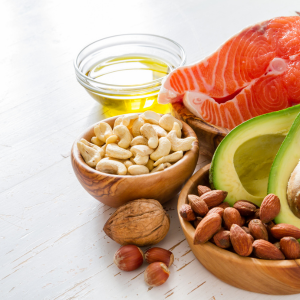
Fat. Just say the word and notice the emotions it evokes. The word can have very negative connotations in modern society. Fats have a bad reputation, both for making people fat and for being bad for their health. Foods labeled as “low fat” or “no fat” are promoted as being healthy. There are, however, healthy fats. Healthy fats include avocado, chia seeds, egg, walnuts, olive oil, oily fish, olives, and dark chocolate.
Despite this bad rap, most people still love fats. After all, fried foods, whipped cream, sour cream, and butter taste good, and food manufacturers know that fatty (and sweet) foods are things people crave. The phrase, “living off the fat of the land,” illustrates the enduring love for fatty foods.
Craving Fats
There’s a good reason we crave fats. The right kind of fats are necessary for good health. Every cell membrane is made of lipids (fatty molecules), and the brain is 50% fat by dry weight. So the nervous system doesn’t work properly without them. Fats keep the skin soft. During winter, fat helps insulate against the cold. Many tissues, including the brain and heart, work better when they burn fat (in the form of ketones) for fuel instead of carbohydrates. So eating healthy fats is essential to your overall well-being.
The Role Healthy Fats Play

Fats are also needed for the production of many chemical messengers, including steroidal hormones such as estrogen, testosterone, cortisol, aldosterone, and progesterone. They are used to create specialized messengers, eicosanoids, that allow cells to communicate with each other. Prostaglandins are the best known of these messengers, which mediate inflammation, regulate immune responses, and control cell proliferation.
Since prostaglandins regulate inflammation and immune responses, and much of this signaling occurs in the gut, healthy fat intake directly supports gut health and microbiome balance.
Why the Quality of Fats Matters
So, why do fats get such a bad rap? Well, it primarily has to do with the quality of fats people consume. Just like refined carbohydrates cause health problems because they are missing the nutrients your body needs to process them, unhealthy fats lack what you need to be healthy.
Saturated fats are usually solid at room temperature and are found in animal products like beef, butter, and full-fat dairy, as well as in coconut and palm oils. They can cause cholesterol to build up in your arteries, which can lead to higher cholesterol levels and an increased risk of heart disease and stroke.
Trans fats are unsaturated fats that have been chemically altered to mimic saturated fats. They are found in processed foods, baked goods, and margarines, all of which contain hydrogenated oils. Trans fats are the unhealthiest fats because they raise the LDL (bad) and lower the HDL (good) cholesterol. They also raise your risk of heart disease.
Hydrogenated fats or oils are created by a chemical process that turns liquid vegetable oils into solid fats by adding hydrogen molecules to them. If the process only partially solidifies them, it is known as partially hydrogenated. This process is widely used by food manufacturers to increase shelf life and the stability of processed foods.
Omega-3 fatty acids are an essential polyunsaturated fat that the body needs and can not make on its own. It needs to obtain it through foods like fish and nuts. It is also very beneficial for cardiovascular health and your brain. To learn more about omega-3 fatty acids specifically and why they matter after 40, read our article on Omega-3 Fatty Acids.
All fats and oils contain triglycerides, which are three fatty acids combined with one glycerin molecule. When you eat fats, your body breaks them down and separates them into fats and glycerine, and then reabsorbs them to create your body’s triglycerides. It’s the type of fat in your own triglycerides that determines how your body uses fat and why eating healthy fats is important.
Fatty acids can be saturated, monounsaturated, or polyunsaturated based on their carbon molecules. The carbon-carbon double bond makes a fat more liquid or more rigid, which is why polyunsaturated fats are more liquid at room temperature and saturated fats are more solid. This also affects how they act in the body.
Foods to Avoid
Fried foods are high in calories and full of unhealthy fats, and avoiding them will reduce your calorie intake and your saturated fat intake. Also, when you fry food, it produces toxic byproducts because it is cooked at high temperatures. Over-consuming fatty foods increases your risk of obesity, heart disease, cancer, and diabetes.
Animal Fats are not all bad. You should be cautious about the types of animal foods you eat. Many animals raised in feedlots tend to eat poorly and store more fat, which may accumulate more environmental toxins. So when you can, eat grass-fed, pasture-raised organic animal products.
Foods High in Healthy Fats to Focus On
Eat whole foods packed full of healthy fats.
- Avocados
- Nuts – walnuts, macadamia, and almonds
- Seeds – hemp, flax, and chia
- Organic grass-fed animal products
Selecting the Right Oils
Healthy oils high in saturated fats are better for frying because they can withstand a higher temperature without breaking down. These oils include coconut oil, butter, and ghee.
Oils that are good for cooking include olive, avocado, and sesame oil. You do not want to use these oils at high temperatures.
It is also best to avoid soybean oil, canola oil, cottonseed oil, corn oil, and grapeseed oil. Many of these oils come from genetically modified plants, and some are high in omega-6 fatty acids, which contribute to inflammation.
Some of my favorite oils to use are olive oil, butter, and coconut oil, which are good sources of medium-chain triglycerides and healthy fats. These are the three I use the most. Unless I’m making an Asian dish, I use sesame oil.
For more on how plant-based eating incorporates healthy fats naturally, read our Plant-Based Diet article.
If you are interested in creating a healthier foundation, grab my book The Healthy Habits Challenge. It is 8 simple steps to regain your health, boost your energy, and age in a healthy way!
This article was originally published as part of the Sunshine Sharing newsletter series.
Browse the archive