
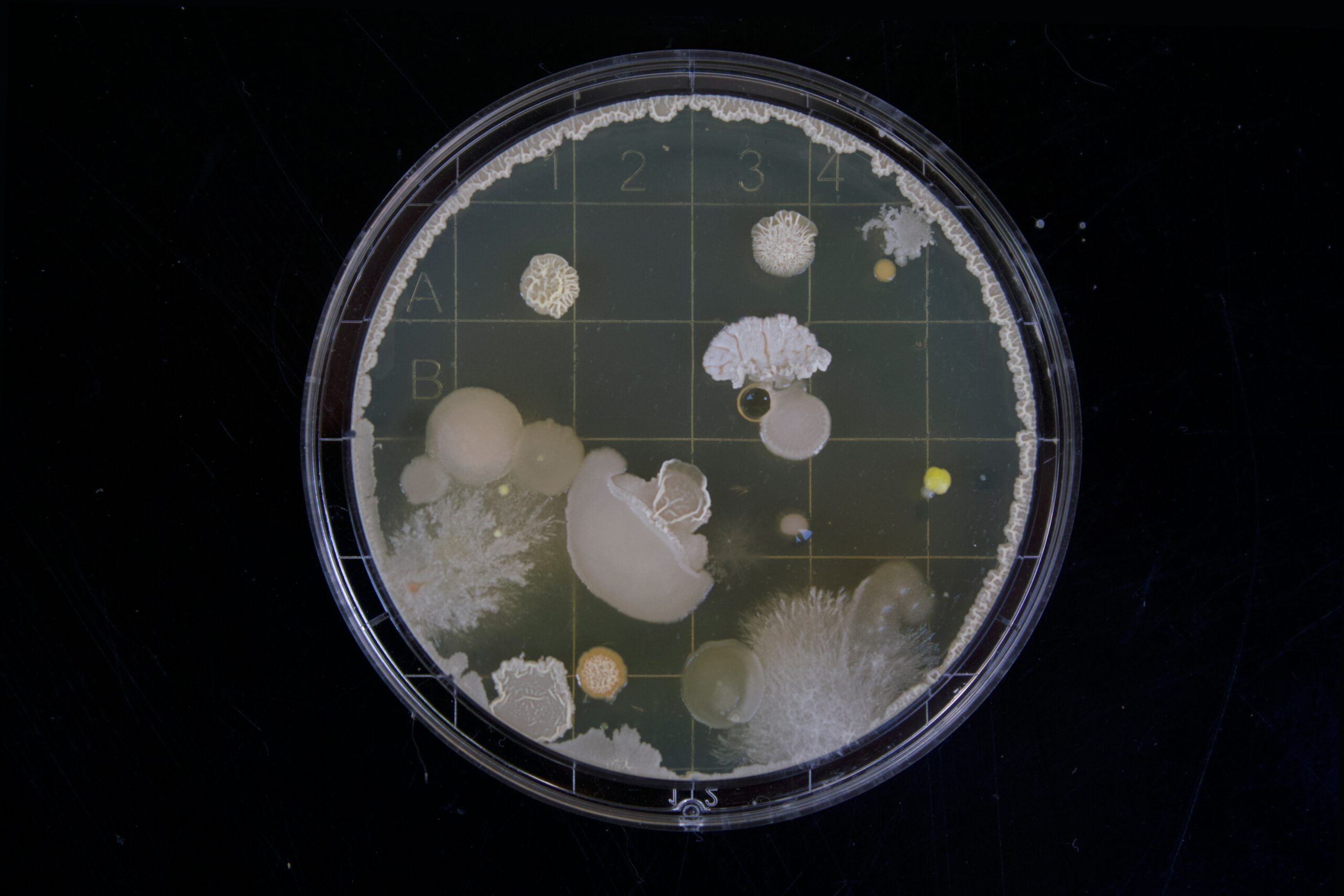
Gut Microbiome: Beneficial Bacteria, Intestinal Dysbiosis, and Gut Health
This post may contain affiliate links. I may earn a small commission if you purchase through these links at no additional cost to you.
The gut microbiome refers to the trillions of bacteria, yeasts, and microorganisms that live in your digestive system. While bacteria often get a bad reputation, many of these microbes are essential for digestion, immune function, metabolism, and overall health.
When these microorganisms are balanced, they help support digestion and protect your body from harmful microbes. But when the balance is disrupted, a condition known as intestinal dysbiosis can occur, which may contribute to digestive problems, inflammation, and other health concerns.

Bacteria do not have a very good reputation, and with good reason. Just over 100 years ago, infectious diseases were the leading cause of death, and many of these diseases were caused by bacteria. The discovery of infectious microbes, such as bacteria, led to improvements in sanitation and food handling that have saved millions of lives.
Of course, bacterial infections are still around. However, with the development of various antiseptics, disinfectants, and antibiotics, relatively few people in Western countries die from infection.
Unfortunately, because bacteria are associated with disease, it’s all too easy to become obsessed with killing germs. This obsession is actually causing health problems due to a lack of bacteria. It turns out that some bacteria are beneficial to health, and that over-sterilizing your environment increases your risk of developing allergic reactions, asthma, and autoimmune disorders.
This has also led to the unwitting breeding of stronger strains of bacteria that are becoming resistant to antibiotics and disinfectants. So, it’s time to take a new look at bacteria and health.
My favorite Nature Sunshine Products for promoting the growth of good bacteria and a healthy gut microbiome are Probiotic 11, Bacillus Coagulans, and Nutribiome Eleven Elevated. However, if you are currently dealing with yeast overgrowth or if you need to kick your sugar cravings, check out Tame the Sugar Monster.
Intestinal Dysbiosis
At some point in our lives, many of us will develop intestinal dysbiosis, as many of the things we do can affect our gut microbiome. Some of the big culprits that can influence the gut microbiome are:
- Dietary changes, especially increasing our consumption of sugar
- Eating a diet high in processed foods, full of chemical additives and food colorings
- Exposure to pesticides and chemicals
- Drinking too much alcohol (over 2 drinks per day)
- Poor quality sleep
- Lack of exercise
- Not managing stress and anxiety
If you have fallen prey to any of these culprits and are experiencing some of the following symptoms, and don’t know why, it could be time for you to focus on your gut health. The symptoms of intestinal dysbiosis are as follows:
- Bad breath
- Bloating
- Upset stomach or nausea
- Constipation or diarrhea
- Trouble urinating
- Rectal or vaginal itching
- Rashes or redness on the skin
- Brain fog or trouble focusing
What the Gut Microbiome Does
Your gut microbiome plays an important role in many aspects of health, including:
• Digesting food and absorbing nutrients
• Supporting immune system function
• Protecting against harmful microbes
• Producing important compounds like short-chain fatty acids
• Supporting mood and brain health through the gut-brain connection
Research shows that people with stronger immune systems often have a more diverse microbiome. A balanced microbiome helps support digestion, metabolism, and overall wellness.
How to Improve Intestinal Dysbiosis and Support Your Gut Microbiome
Following a gut healthy diet can help support digestion and improve overall gut health. The following four strategies can also help support a healthy gut microbiome.
- Eat a variety of whole foods, including fruits, vegetables, fiber, fermented foods, and lean protein.
- Reduce refined sugar and highly processed foods that feed harmful gut bacteria.
- Prioritize sleep, stress management, and regular movement to support digestive balance.
- Consider probiotics and prebiotic foods to help restore beneficial gut bacteria.
- Other foods and natural compounds, including medicinal mushrooms, may also provide prebiotic compounds that support the microbiome” could fit if needed.
There is no longer any debate about how intestinal dysbiosis and a poor gut microbiome affect our health. Numerous studies have tied it to inflammation, type 2 diabetes, autoimmune disorders, certain types of cancer, and even chronic pain.
Remember a Toxic Environment + Toxic Gut = Toxic Health!
Could Your Gut Microbiome Be Out of Balance?
Many people experience symptoms of dysbiosis without realizing that a gut bacteria imbalance may be part of the problem.
If you want to learn the early signs of gut imbalance and simple ways to support healthy digestion naturally, download the Gut Imbalance Guide.
Healthy Lifestyle Habits
Creating a healthier lifestyle through consistent small daily habits promotes a healthy gut microbiome and overall health. That is why I wrote The Healthy Habits Challenge to help you create these habits simply.
Learn more about Gut Health
If you’re interested in learning more about digestion and overall wellness, these articles may also be helpful:
- Gut Health After 40
- 10 Signs of Poor Gut Health
- Gut Healthy Diet
- Understanding the Digestive System
- Dietary Fiber for Gut Health
- Gut Health and Immunity
- How your Gut Heals Your Body
- The Intestinal System and Colon Health
This article was originally published as part of the Sunshine Sharing newsletter series.
Browse the archive