
PTSD: Recovering from Post-Traumatic Stress Disorder
Post-traumatic stress disorder (PTSD) has long been observed in soldiers returning from war. During World War I, it was called shell shock, and during World War II, it was called battle fatigue. Today, PTSD isn’t just a soldier’s problem. PTSD is a mental health condition, and effective treatments are available. Trauma-focused psychotherapies are commonly recommended. It can develop after experiencing or witnessing a traumatic event. The event could be war, an accident, an illness, a physical or sexual assault, abuse, a natural disaster, or another terrifying life-threatening experience. This article shares tips for recovering from PTSD.
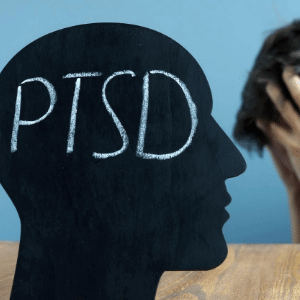
Not everyone who experiences a trauma develops PTSD. Experiencing stress and emotional reactions to a traumatic event is normal. PTSD may be diagnosed when your symptoms persist for more than a month after the trauma and cause distress and affect your daily life.
PTSD affects millions of people. According to the National Center for PTSD, about 5 out of every 100 U.S. adults will experience PTSD in a year, with 6 out of 100 people experiencing it at some point in their lives.
Signs and Symptoms of PTSD
PTSD affects each person differently; however, the symptoms usually fall into several areas:
- Reliving the traumatic event can include unwanted memories, nightmares, or flashbacks to the original event.
- Avoidance of certain people, places, conversations, or situations that remind you of what happened.
- Changes in thoughts and mood, which may include feeling detached from others, difficulty experiencing positive emotions, guilt, fear, or negative thoughts about yourself or the world.
- Feeling constantly on alert, which can include irritability, difficulty sleeping, trouble concentrating, being easily startled, or feeling as though you always need to be on the lookout for danger.
All of these reactions involve both the brain and the body’s stress response. This is one reason I believe understanding the nervous system is so important when talking about trauma and recovery.
Treatment and Support for PTSD
PTSD is recognized as a mental health condition and has treatments that are effective and available. There are trauma-focused psychotherapy treatments that are commonly recommended.
Natural approaches and self-care can also provide some additional support. However, they aren’t a substitute for professional mental health care when it is needed.
Eye Movement Desensitization and Reprocessing Therapy (EMDR)
Eye Movement Desensitization and Reprocessing (EMDR) is a psychotherapy used to help people process traumatic experiences. During EMDR, a person recalls aspects of a traumatic experience while engaging in guided bilateral stimulation, often involving eye movements.
This therapy is widely used to help individuals process traumatic events. I have a friend who is a psychologist who uses this type of therapy with people with PTSD and has found it to be very helpful and somewhat amazing in its results. You can learn more about it through the EMDR Institute.
If you are interested in trying EMDR therapy, look for a licensed mental health professional who has received training in it.
Emotional Freedom Technique or Tapping (EFT)
Emotional Freedom Technique (EFT), also known as tapping, is a complementary approach that some people use to help manage stress and emotional distress. It basically uses your fingertips to tap on meridian points to help you talk through your traumatic memories. Your mind focuses your attention during the tapping. Some people find it helpful for managing stress and emotional distress.
Studies have been done, and you can view a PubMed study on the Guidelines for the Treatment of PTSD Using Clinical EFT (Emotional Freedom Techniques). There is also a website dedicated to Tapping for War Veterans. If you don’t feel you can try this yourself, there are also clinicians that you can visit to help you learn to do this.
CranioSacral Therapy (CST) – A Complementary Approach
CranioSacral Therapy is a gentle hands-on complementary approach that some people use to promote relaxation and support emotional well-being following trauma. It has been used as a complementary therapy for PTSD to help your body process all types of traumas. As a CST Therapist myself, I have witnessed amazing things as the body releases those stored emotions. For those of you unfamiliar with CST, it is a very gentle hands-on method of evaluating and enhancing the functioning of the membranes and fluid that surround and protect the spinal cord as well as the brain. Dr. Upledger has done work helping individuals with PTSD. If you haven’t tried this form of therapy, I highly recommend trying it if you are ready.
Supporting Yourself During PTSD Recovery
Your physical health is as important as your mental health. So, taking care of yourself by focusing on nutrition, movement, sleep, stress management, gut health, and relationships can all contribute to overall well-being and be very supportive during recovery. If you are also dealing with chronic pain, visit our Living with Chronic Pain Resource Center.
Rather than repeat those strategies here, you can learn more in Recovering from Physical and Emotional Trauma, where I cover healthy habits and natural approaches for supporting yourself following trauma.
This article was originally published as part of the Sunshine Sharing newsletter series.
Browse the archive
