
The Digestive System and Your Health
Your digestive system plays an important role in your overall health. It is responsible for breaking down the foods you eat, so your body can absorb nutrients for energy, repair tissues, and support normal body function.
When the digestive system is working properly, nutrients are efficiently absorbed, and waste is eliminated. When digestion becomes sluggish or imbalanced, it can contribute to symptoms such as bloating, fatigue, irregular elimination, and poor nutrient absorption. Our digestive system is the method our bodies use to transform the food we eat into energy our body can use.
What Is the Digestive System?
The digestive system is the group of organs responsible for breaking down the foods we eat so the body can absorb nutrients for energy, growth, and cell repair. The digestive process begins in the mouth and continues through the esophagus, stomach, small intestine, and large intestine. Supporting organs such as the liver, pancreas, and gallbladder help produce enzymes and bile that assist in digestion. A healthy digestive system allows nutrients to be absorbed efficiently while eliminating waste from the body.
The Road to Health
We are what we eat, what we assimilate, and what we do not eliminate!
Supporting digestion begins with the foods you eat. Following a gut healthy diet can help provide the nutrients and fiber your digestive system needs to function properly. Our digestive system runs from our mouth to our rectum. The food is taken into the body, broken down, sorted and reprocessed, circulated around the body to nourish and replace cells, and to supply energy to our muscles. Every organ involved in the digestive system has a purpose. The main players of the digestive system are:
Digestive System Process
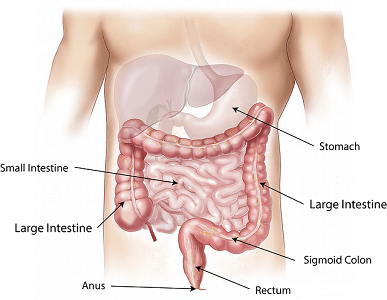
The digestive system includes several organs that work together to break down food and absorb nutrients.

Image by “bodymybody” from Pixabay
- Mouth
- Esophagus
- Stomach
- Small Intestine
- Liver
- Gallbladder
- Pancreas
- Large Intestine
Digestion begins in the mouth, where we chew our food. Our food mixes with saliva, and its main enzyme is ptyalin (amylase). This enzyme helps us dissolve our food so it is easier to swallow. Once we swallow, our food travels down the esophagus into the stomach. The stomach turns our food into a paste called chyme. The stomach uses hydrochloric acid and the enzyme pepsin to begin the breakdown of proteins.
From the stomach, certain foods, such as water and sugar, are immediately absorbed into the bloodstream. The other food, which isn’t absorbed, continues its journey to the pyloric sphincter at the very end of the stomach. This sphincter is the gateway to our small intestines. Once the food is broken down and mixed, it is released into the small intestine. The small intestine is divided into three parts: the duodenum, the jejunum, and the ileum. The small intestine is where the majority of digestion and nutrient absorption occur. Some nutrients are absorbed into the bloodstream, while others are transported to the liver for storage.
The role of the Pancreas, Gallbladder, and Liver
The pancreas, gallbladder, and liver also play key roles in the digestive process.
- The pancreas manufactures various enzymes and hormones. The main ones are amylase for the digestion of starches, and insulin and glucagon for regulating blood sugar levels. The pancreas pumps these enzymes and hormones directly into the duodenum.
- The gallbladder squeezes bile (produced by the liver) to help dissolve fats.
- The liver is the largest organ in the body and the body’s main chemical factory. The liver performs over 500 functions, including producing bile, processing nutrients, and converting dietary proteins into new proteins that are needed for our blood. It also stores fats, carbohydrates, proteins, and vitamins, and releases them as needed. The liver absorbs toxins and poisons, then neutralizes them.
Once the chyme passes through the small intestine, the remaining matter moves into the cecum, which is the beginning of the large intestine or colon. The large intestine is where fecal matter is formed. Water is reabsorbed, and B vitamins are absorbed. The matter moves through the rest of the colon, ending in the rectum.
One thing we can say for sure is that our digestive process is about change. Carbohydrates are broken down into simple carbohydrates, or sugars; proteins are broken down into the body’s building blocks, amino acids; and fats are broken down into fatty acids or glycerol. It is amazing how the whole foods we eat are transformed into usable forms of energy and nutrients for the body, which are then absorbed into our bloodstream. Digestive system diseases can disrupt this process.
Digestive System Function
Transit Time
Transit Time is the amount of time it takes to travel from one end to the other. Specialists say the normal transit time is usually 15-18 hours. When the transit time is too slow or too fast, it can cause problems. If it is too fast, we may not be absorbing the nutrients from the food we eat, and if it is too slow, we may contribute to a buildup of waste. Our digestive tract moves food through it by an action called peristalsis. This same movement also forces the waste into our rectum for elimination.
Some experts suggest that elimination should occur between 2-4 times per day, based on data indicating that when you feed a baby or a puppy, they both tend to eliminate right after eating. Natural health experts believe this is how it should always be.
However, I’m not sure about you, but this isn’t the case with most adults. We all get busy and ignore the signs of nature’s call to go off too often. They say by the time we eat dinner, we should have eliminated breakfast. Our digestive system is designed to handle only 3-4 small meals. So, if you eat 3-4 meals without eliminating, you are bogging down your system, which can lead to hemorrhoids or maybe even anal fissures.
Digestive Enzymes
Food is digested with the help of enzymes. If we do not have enzymes, our food would take about the same amount of time to digest as a piece of fruit sitting on the counter takes to rot. The foods we eat are processed and contain no enzymes, so we have to use more of our own enzymes for digestion.
The enzymes in our bodies are designed to help digest fresh, live foods. Preservatives, chemical additives, microwaving, heating food, pasteurization, boxed, canned, and shelf-stable foods, as well as refined foods, are not considered fresh and alive. Enzymes are needed for detoxification. They convert fat-soluble substances and waste products into water-soluble forms for easier elimination. Fewer enzymes equal more toxicity. Enzymes also help remove allergens, pollutants, and heavy metals, and maintain a normal pH level throughout the digestive system. This pH level is necessary for reducing inflammation.
Probiotics
Not enough probiotics or good bacteria. Probiotics prevent harmful organisms from establishing a foothold in our digestive system. They are found in the small intestine and colon. They say a healthy individual should have trillions of these good bacteria in the intestines. Probiotics play a role in producing additional enzymes, producing antibiotic substances to combat bad bacteria, facilitating the formation of B vitamins, reducing stress on the liver, preventing constipation, and boosting immunity. You can see why it is so important to make sure our bodies have enough of these beneficial bacteria. The health of our gut is so important.
More Digestive System Functions
The hiatus is located in the diaphragm, where the esophagus passes into the stomach. Sometimes a part of the stomach protrudes through the hiatus, creating a hernia. This allows acid or chyme to backflow into the throat. This is usually known as acid reflux or heartburn. Hiatal Hernias can be very painful and can create difficulty breathing.
Hydrochloric Acid in our stomachs is not bad for us. HCL fights off microbes and breaks down proteins. It also stimulates the pancreas and small intestine to produce additional enzymes, as well as bile, which will be used further in the digestive process. Sometimes neutralizing the stomach acid can make your digestion worse. Our stomachs have a mucus lining that creates a barrier between the stomach wall and the acid that is produced. This is nature’s way of protecting our stomach lining.
The cells of the stomach are replaced so rapidly that we have a new stomach lining every 3 days. The question I leave you to ponder is that as we age, we naturally produce less HCL, and then we add antacids, a poor diet, and overeating, and voilà, we have digestive problems due to an under-acid stomach. Low levels of HCL can lead to protein malnutrition, which can result in acidic pH levels in the blood, setting the stage for toxins, illness, and disease. Once our blood becomes acidic, it looks for minerals to counteract that acidity and robs them from other parts of the body, including the minerals from our bones.
Common Digestive System Diseases
- GERD
- IBD with Chronic Constipation
- Crohn’s
- Diverticulitis
- Irritable Bowel Syndrome | IBS
- Ulcerative Colitis
- Stomach Ulcers
- Hemorrhoids & Anal Fissures
Supporting Your Digestive System Naturally
Understanding how the digestive system works is an important first step toward improving digestive health. However, many people find that improving digestion often comes down to the daily habits that support the body.
Diet, fiber intake, hydration, stress levels, and regular movement can all influence how efficiently the digestive system functions. When these habits are practiced consistently, many people notice improvements in digestion, energy, and overall wellness.
Things We Can Do
I think you might be thinking I am starting to sound like a broken record (some of you remember what a record is), but here it goes.
Healthy Living for a Healthy Digestive System
- Eat a healthy diet rich in fresh fruits, vegetables, nuts, whole grains, and seeds. Make sure you get some complex carbohydrates, proteins, and good fats (omega-3 and 6, avocados, black currant oil, greens, nuts, seeds).
- Chew your food 25 times so the rest of your digestive system doesn’t have to break up chunks. Chewing your food means less work for your stomach and intestines. I recall my mom saying that all the time.
- Exercise is beneficial for the digestive system, and maintaining muscle tone in the abdominal area is particularly helpful. Taking a walk three to five times a week is all you need.
- Make sure you are drinking good, healthy water (hopefully you are using a water filtration system). Water helps us to avoid constipation. Sometimes people are thirsty instead of hungry, so drink a full glass of water 30 minutes before eating to ensure you are truly hungry. They say the test to make sure you are properly hydrated is if you can eat a full meal without drinking anything, you are chewing your food, and your body is hydrated.
- Fiber is important, and nutritionists recommend 30-40 grams of fiber per day. There are different types of fiber; some are soluble, such as pectin, mucilage, and gum. Others are insoluble and are made from cellulose and hemi-cellulose. Whatever type of fiber you take, be sure to drink plenty of water. Fiber helps you feel full, decreases appetite, supports weight loss, speeds bowel movements, reduces bad cholesterol, delays blood sugar absorption, binds to toxins, helping to sweep them out of the body, can lower the risk of colon cancer, and helps you avoid hemorrhoids.
Detoxification
People have cleansed the colon for years, dating back to 2500 BC, when the Egyptian Bowel Specialists practiced. It is important to keep your bowels moving. I am not a huge fan of stimulants like cascara sagrada because I feel some people tend to rely on them, and they can be overused. So, watch your transit times and start with fiber, good, healthy water, and thoroughly chewing your food.
Habits Help Improve Your Health
My guide, Healthy Habits Challenge: A Guide to a Healthy Lifestyle, helps you create simple daily habits that support gut health, digestion, and metabolism. If you want to improve your overall wellness, building healthy habits is a great place to start.
Nutritional Support
While supplements may not cure digestive system diseases, they can offer support to areas of weakness. I have compiled a list of Nature’s Sunshine products that may support your current digestive issue. If you are troubled by being overacidic (GERD), you might want to try NSP’s Tums alternative, Stomach Comfort, or some Chamomile tea from your local grocery store. You can also take our Brilliant Body Health Assessment to help you determine which body system needs the most support.
If you are dealing with hemorrhoids, which are similar to varicose veins, you might want to try Vari-Gone and /or Gentle Move. You also want to make sure you are eating enough fiber and drinking enough water.
If you are dealing with stomach ulcers, you may want to try Gastro Health, which helps combat the bacteria that cause many types of ulcers.
If you have IBS, Ulcerative Colitis, or Diverticulitis, my favorite product to help soothe the whole digestive and intestinal track is Intestinal Soothe and Build. I have seen that product do amazing things for many of my clients.
For overall digestive health, I highly recommend taking digestive enzymes and probiotics regularly to help build good bacteria and support the digestion of the healthy foods you eat.
To view these products, please visit our Nature’s Sunshine website. Remember, if you take any prescription medication, it is always best to take your medications alone and consult your doctor before starting any supplemental programs.
Continue Learning About Gut Health
If you’re interested in improving digestion and overall wellness, these articles may also be helpful: