
Electromagnetic Fields – What you need to know
Electromagnetic Fields, or EMF radiation, are as old as the universe, with light as their most familiar form. Today’s technological advancements have dramatically increased the presence of electromagnetic fields to the point that many fear they may be damaging. Read on to find out what these electromagnetic fields are, how they are measured, and whether they may be damaging to our health.
What Are EMFs
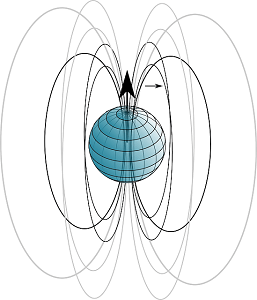
An electromagnetic field is also called an EM field or EMF. It is one of the basic forces of nature. It is a physical field that is produced by electrically charged objects. An EMF is a combination of an electric and a magnetic field. Electric fields result from stationary charges while magnetic fields result from currents or moving charges.

An Electromagnetic Field, or EMF, has an effect on the behavior of charged objects that are in the field. It also expands indefinitely throughout space. Electromagnetic fields can be from natural or human-made sources. EMFs are present in the environment, but can not be seen by the human eye. They are produced naturally by the build-up of electrical charges, especially those that are associated with thunderstorms. Human-made sources of electromagnetic fields include X-rays. The electricity from a power outlet has been identified as causing low-frequency EMFs. On the other hand, radio waves used in transmitting information, such as television broadcasts and mobile communications, produce radiofrequency electromagnetic fields.
How to Measure Electromagnetic Fields
Electromagnetic fields are measured using certain probes or sensors, like EMF meters. These devices are like antennas. EMF measurements are now becoming more important in different sectors because of the perceived negative effects of radiation exposure to humans.
There are two main kinds of electromagnetic field measurements. The first kind of measurement is called broadband measurements. This kind of EMF measurement is done with the use of a broadband probe. It is a device that can sense any signal on a wide range of frequencies. The second kind of measurement is called frequency-selective measurements. Here, a measurement system with a field antenna and a frequency-selective receiver is used to measure the frequency range in a selected area.
The electromagnetic spectrum is organized through frequencies and ranges from extremely low to cosmic! I understand the concern many have about EMFs and also understand that many individuals (including myself) are sensitive to EMFS; however, measuring them is difficult. If you decide to measure EMFs throughout your home or office, you should understand the following principles:
1. The behavior of EMFs changes depending on their frequency and where they interact along the spectrum.
2. Many meters that measure EMFs analyze the changing field properties of the EMFs and may actually elevate the reading as you move through the EMF spectrum.
3. Radiofrequency signals can pass through some materials and reflect off others. This can affect measurements and sometimes make locating the exact source of an EMF more difficult.
Electromagnetic Fields and Health
Humans are definitely not new to electromagnetic field exposure. In fact, there are very small electrical currents in the body even without being exposed to external EMFs. These are results of chemical reactions that are part of normal body functions. Examples of these body activities are digestion, brain activities, and even heart activities.
Everyone is now exposed to different levels of external EMFs. People are exposed at home and even at work because of the inevitable use of electricity in running appliances and equipment, as well as in broadcasting and telecommunications. These levels of exposure will keep on increasing as technology advances. To date, typical levels of everyday EMF exposure are generally considered much lower than levels known to produce harmful effects on human health.
Some people feel they are sensitive to EMFs. Read my article on EMF Sensitivity.
Adverse Effects of Electromagnetic Fields Exposure
Studies are already being done about the possible adverse effects of EMF exposure to humans. Various studies are being conducted on the radio-frequency components of EMFs from power sources and mobile phones. A common problem encountered by the researchers is that the effects can be cumulative, meaning the levels of exposure can build up over time. This creates the need for waiting time before they can make any conclusions.
Research into long-term exposure continues. Current evidence has not established that typical low-level EMF exposure causes adverse health effects, although certain types and levels of electromagnetic radiation can affect the body.
You can check out the information below to learn more and may want to consider adding a Q-Link Product to keep your energy biofield balanced! You may also be interested in learning more about Earthing and Grounding, another topic related to our interaction with the natural environment.