
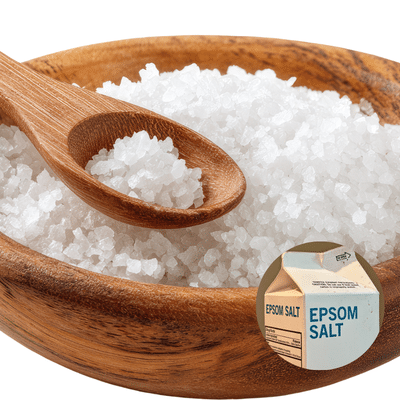
Epsom Salt: A Natural Laxative
Epsom salt for constipation? Most people consider their bowel habits a repugnant topic. However, constipation is among the most common gastrointestinal concerns in the United States, according to the National Digestive Diseases Information Clearinghouse. If you have fewer than three bowel movements per week, you likely have constipation. Dry or hard stools also indicate constipation, for which Epsom salt is a potential treatment.
Epsom Salt
Most people are familiar with Epsom salt, also known as magnesium sulfate, as a versatile product that can serve as a soothing foot soak and a natural laxative for occasional constipation. Although many pharmacies and grocery stores sell the salts in large quantities at low prices, they have significant value. Magnesium is an essential mineral involved in muscle and nerve function, energy production, and many other processes in the body. Since Epsom salt contains magnesium sulfate, when labeled for oral use, it can be used as a saline laxative.
Epsom Salt for Constipation Relief

Epsom salt works by increasing water in the intestines, thereby relieving minor constipation. Only use the Epsom salt that is specifically labeled for oral use, and follow the dosage and preparation instructions on that product. Do not swallow bath salts, scented Epsom salts, or products intended for external use only. Some oral-use products direct users to dissolve the measured dose in eight ounces of water. Lemon juice may be added to improve the taste
Side Effects and Cautions
Although Epsom salts are generally safe for most people, some individuals may experience stomach discomfort or diarrhea. Additionally, allergic reactions and rashes are possible. Swelling of the face or difficulty breathing may require emergency medical attention. Using more than the recommended amount of Epsom salts can cause dangerous, even life-threatening complications. Because the salts make it harder for your body to absorb oral medications, you should avoid using it within two hours of your other drugs. Persistent constipation, severe abdominal pain, vomiting, or blood in the stool warrants medical evaluation. Also, if you have kidney disease, consult your doctor before using it.
Additional Preventive Measures
In conjunction with Epsom salt, consider using other measures to treat and prevent constipation. Add more fiber to your diet, drink more water, and take frequent walks if you are not already exercising. If these changes do not help, consult your doctor for a diagnosis. In some cases, medications are the culprit. Check out my Amazon affiliate link for Epsom salts to use as a foot soak or a laxative.
As an Amazon Associate, I earn from qualifying purchases.