
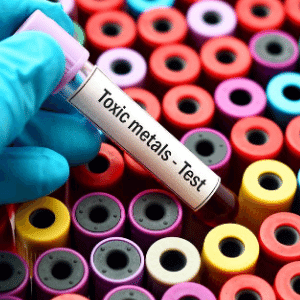
Heavy Metal Toxicity | Signs and Symptoms
Heavy Metal Toxicity is a real health concern. They can accumulate in the body and can impair how your body functions. Heavy metals are naturally found throughout the earth. They are abundant in the earth’s crust, volcanic eruptions, and spring water. They are also found in our food and within our environment through the air we breathe, the water we drink, the foods we eat, and the products we use.
Many personal care products as well as cosmetics contain heavy metals. Heavy metals enter our body through the skin and through inhalation. It is true that our body needs small levels of certain heavy metals in the right form to survive. These small quantities would include iron, zinc, copper, manganese, and cobalt. However, heavy metals like lead, arsenic, cadmium, and mercury are considered to be the most toxic and cause the most serious health concerns.
Your body has natural processes for eliminating many substances it is exposed to. Eating a healthy diet full of nutrient-dense foods helps provide the nutrients your liver, kidneys, digestive system, and other systems need to function properly. Sometimes, however, your body can struggle with properly detoxifying, especially if you have more exposure due to working in an industrial or agricultural setting, or if your overall health or gut health is compromised, giving way to a problem with nutrient absorption. If your body can’t detoxify the metals, you can be at risk for heavy metal toxicity or poisoning. Environmental toxicity is a concern.
Acute and Chronic Heavy Metal Toxicity

Acute Heavy Metal Toxicity, especially from lead, arsenic, cadmium, and mercury, is a serious medical condition that requires medical evaluation and treatment.
If you feel your symptoms could be related to heavy metal toxicity, contact your doctor; he can do blood tests or liver and renal function tests. The level of overall toxicity depends on the type of metal, your age, and how much you have absorbed/been exposed to.
Many people who have been exposed to heavy metals may notice the following symptoms. Keep in mind that heavy metal toxicity is not the only reason these symptoms exist.
- Abdominal Pain, Nausea and Vomiting, Diarrhea
- Dehydration / Sweating
- Trouble Breathing
- Confusion, Impaired Motor Skills and Language Skills
- Changes in Behavior
However, Chronic Heavy Metal Poisoning can be more difficult to diagnose. It tends to develop slowly over months and is often linked to other causes. The symptoms also tend to come and go. Symptoms may include the following:
- Confusion, Impaired Motor and Language Skills.
- Neurological Disorders
- Emotional Changes
- General Weakness
- Increased Inflammation
- Immune Deficiency
Lead, Arsenic, Cadmium and Mercury
Lead
When we look at lead, arsenic, cadmium, and mercury, lead is very dangerous, especially for children. Lead is dangerous because it is tasteless, odorless, and colorless.
Remember when they found lead in Michigan’s drinking water from lead pipes? It took time for them to figure out what was going on. In fact, many pipes were made of lead, especially prior to the 1950’s.
Lead exposure can affect the nervous system, brain, kidneys, and cardiovascular system. Some studies have also linked lead exposure with an increased risk of cancer.
Mercury
Mercury is liquid at room temperature and easily absorbed through its vapors. It is best known for being found in silver amalgam fillings and certain types of fish. When eating fish, choose varieties that are lower in mercury. Fish with some of the highest mercury levels include swordfish, king mackerel, shark, marlin, orange roughy, Gulf of Mexico tilefish, and bigeye tuna. The FDA recommends avoiding the fish with the highest mercury content during pregnancy and breastfeeding while continuing to eat lower-mercury fish as part of a healthy diet. Mercury can also be found in thermometers, certain batteries, jewelry, and Thimerosal in certain vaccines. Mercury can also be harmful for your nervous, digestive, and immune systems.
Arsenic & Cadmium
A variety of foods, including fruits, vegetables, grains, and fish, contain arsenic. Recent tests show arsenic in rice, some juice products, and apple and apricot seeds. Long-term exposure can lead to stomach issues as well as heart disease and cancer.
Cadmium is present in the Earth’s crust and is often extracted along with other metals during the process. It is found in some foods, coal and oil, cigarettes, and is a byproduct when burning garbage/waste. If you are exposed to cadmium over a long period of time, it can lead to cancer and toxicity of organ systems, including your skeletal, urinary, cardiovascular, nervous, and respiratory systems.
What to Avoid
The first thing you can do to help your body is to avoid certain things. Limit your exposure to as many chemicals as you can, especially those items known to contain heavy metals. You also need to reduce your intake of certain high-mercury fish. Avoid using toxic products in your home and on your skin, as well as pesticides and herbicides in your yard.
Make sure to wear protective gear if you work around or use chemicals at home. It is also very important that you drink clean water. Know what’s in your drinking water. If contaminants are a concern, consider using an appropriate water filtration system. I use Aquasana Water Filtration Products to ensure that my water is free from impurities, chlorine, and heavy metals.
Natural Tips to Help Detoxify
What Foods to Eat for Heavy Metal Toxicity
There are certain foods, fibers, and plant compounds that have been studied for their potential ability to bind to or influence the absorption and elimination of some heavy metals. This can help the body to get rid of them. Two that have been studied include cilantro and algin, a mucilaginous fiber that has also been studied for its potential interaction with certain metals.
Make sure to eat foods high in antioxidants including blueberries, green tea, lemon water, and chaga mushrooms.
Eat a healthy diet overall full of fruits, vegetables, healthy fats, lean meats, and whole grains. Eliminate processed foods and foods high in sugar.
Support Your Liver
The liver is one of the major detoxifying organs in the body. Supporting liver health supports a big part of your body’s detoxification process.
Gut health is also closely tied to liver health, so supporting your gut health and a diverse microbiome are also important.
Our guts love to eat lots of plant foods, high-fiber foods, and fermented foods. One of my favorite Nature’s Sunshine products for supporting gut health and detoxification is Ultrabiome DTX.
One of my favorite antioxidants that supports liver health is Milk Thistle.
Reducing Your Heavy Metal Exposure
Heavy metals are part of our environment, so avoiding them completely isn’t very realistic. What you can do is become more aware of where your exposures to them may be coming from and take practical steps to reduce them.
Focus on supporting overall detoxification by eating a nutrient-dense diet, supporting your gut and liver health, drinking clean water, choosing lower-mercury fish, and, when you can, reducing unnecessary exposure to chemicals and other environmental toxins.
If you feel you are dealing with heavy metal toxicity, talk with your healthcare provider.
Supporting your body doesn’t have to be complicated. Healthy habits practiced consistently are one of the best places to start.