
Managing Emotions | Chronic Pain Support Group
Recognizing and managing emotions can be challenging for anyone. It can be especially difficult for those of us who are working on managing emotions and our chronic pain at the same time. Regardless of how difficult our feelings can be to manage, they can influence how we feel and how we cope with pain.
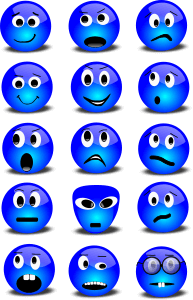
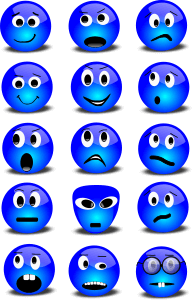
Some of the most common emotions for individuals dealing with chronic pain include sadness, depression, fear, anger or frustration, and grief because of all the changes in your life. We also experience joy, gratitude, hope, and love. These emotions are all a part of being human. What becomes challenging is learning to recognize how we feel and find a healthy way to express and manage them.
According to Dr. Beth Darnall, “the areas of the brain that are associated with sensory perception are shared with the areas of the brain that are involved in processing your emotions.”
With this shared area, pain and emotions are closely connected, and each can influence the other. Difficult emotions and stress may affect how we manage and cope with our pain. Living with persistent pain can also contribute to our frustration, fear, sadness, and other difficult emotions. Understanding this connection doesn’t mean that chronic pain is caused by our emotions. It just gives us another view and area we can work on for managing emotions.
The Body Interprets
Just as the body interprets the stove as hot and we pull our hand away. We also laugh when we think something is funny. In other words, we feel our emotions just like we feel a pin prick. The important part about understanding this relationship between pain and our feelings is learning to recognize how we feel and learning how to express these feelings. These are key players when you are managing emotions.
So many of us in chronic pain feel bad most of the time, so we tend to lose motivation and want to keep to ourselves. When we live with chronic pain and don’t feel well much of the time, it’s easy to lose motivation and begin withdrawing from activities and other people. Sometimes we need that time alone, but prolonged isolation can also affect our emotional well-being.
Not only do we isolate ourselves, but chronic pain patients also find it frustrating to share how they really feel with others, keeping their feelings bottled up inside. It seems no matter how hard they try to explain how they feel, others don’t seem to understand. Continuing this cycle makes them feel more isolated and angry. These feelings continue to fuel the path of negativity and pain. Managing emotions and understanding that they do not feel what we feel may help when you talk and share with others.
Tips to Recognize for Managing Emotions
Recognizing how we feel and learning how to best express those feelings is where the challenge lies. Just being aware that a relationship exists between how we feel and how we feel helps us become more mindful. Below are some tips that may help:
- If you keep a journal, it would be great to start recording your emotions alongside your other notes, including your pain level. Tracking both of them may help give you more insight into recognizing the effect your emotions have on your pain. Your journal can also serve as a place to record how you feel when you are in a situation where expressing it may be inappropriate.
- Taking a walk in the park or just going outside and feeling the sunshine. I love to breathe nature in! If you can’t go for a walk, do another form of physical activity that you enjoy because it just may help you release some of those negative emotions and bring you some joy.
- Socialize. It may be just the thing you need to help you feel better. Connecting with other people may also help. Schedule some time with friends or family when you feel up to it, even if it’s just a phone call or short visit. This may help you feel more loved.
- Whatever you do, don’t ignore your emotions. Holding how you feel inside can cause you to overreact to situations. It’s like shaking a can of soda pop and opening it.
- Some people use Bach Flower Remedies as a complementary approach for overall emotional well-being and everyday stress.
Summary
It is unfortunate that difficult emotions and chronic pain often go hand in hand. It is also sad that so many of you keep these feelings hidden. Going forward, it is best to keep believing in yourself, not blame yourself, and know you have the right to feel what you feel.
There is a book called The Angry Book by Theodore Rubin. It’s about learning to handle all these emotions, expressing them, and handling them. His book summary states that it’s not about getting even; it’s about getting mad and getting over it.
Understanding the relationship between our emotions and chronic pain, learning healthy ways to express how we feel, and making room for things that bring us joy can all be useful parts of living with chronic pain.
Key Takeaways
- Chronic pain can bring about a variety of emotions, including sadness, fear, anger, frustration, grief, hope, gratitude, and joy.
- It’s important to remember that emotions aren’t good or bad; it’s about recognizing and understanding them, which is an important part of managing them.
- Pain and emotions can influence one another, but having difficult emotions doesn’t mean that they caused your pain.
- Journaling may help you recognize patterns among your emotions, stress, activities, and your experience of pain.
- Staying connected with others socially, spending time outdoors, getting up and moving when you can, and finding healthy ways to express your feelings may all support emotional well-being.
- You will always have the right to feel what you feel while learning new ways to cope with them.
For more help and support on managing and living with chronic pain, visit our Living with Chronic Pain Learning Center.
