
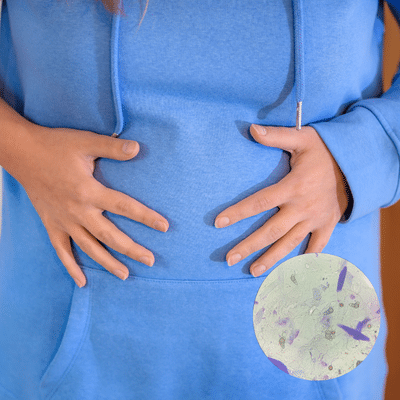
10 Signs of Poor Gut Health
Symptoms, including digestive discomfort, fatigue, or inflammation, don’t happen because you are getting older. Many people experience these symptoms, and they can be some early signs of poor gut health.
Your digestive system does a lot more than just digesting your food. Gut health impacts all the systems in the body, including your immune system, metabolism, brain health, weight, and inflammation levels. If your gut becomes imbalanced, many symptoms can appear throughout the body.
When the gut microbiome or bacteria are disrupted, gut imbalance or dysbiosis can occur. Paying attention to these early signs of poor gut health will not only help you improve your gut and digestion but also your overall health.
What is Gut Imbalance (Dysbiosis)?
Gut imbalance or dysbiosis occurs when the balance between beneficial and less beneficial or harmful bacteria in the digestive system is disrupted. Dysbiosis describes the overgrowth of harmful bacteria and a decrease in the amount of beneficial bacteria in the gut. Gut imbalance has been linked to many of today’s chronic diseases, including IBD, obesity, and diabetes.
Many things influence this imbalance, leading to the symptoms and signs of poor gut health, including:
• poor diet
• excess sugar
• medications
• stress
• lack of sleep
• environmental toxins
When you’re out of balance, digestion, metabolism, and immune function can all be affected. Understanding the early signs of poor gut health helps you identify that your digestive system may be out of balance before symptoms become more serious.
The 10 Most Common Signs of Poor Gut Health

1. Gas and Bloating
Many people find that they have frequent bloating, gas, or abdominal discomfort. This may indicate a bacterial imbalance. Some of you may also feel that you are having trouble digesting certain foods.
2. Acid Reflux or Indigestion
Acid reflux or indigestion may signal poor digestion due to a lack of stomach acid or enzymes. It could also indicate an imbalance in gut bacteria.
3. Constipation or Diarrhea
If you are either running to the bathroom or having trouble going to the bathroom, this is a common indicator of an imbalanced gut. A lack of movement or prolonged sitting can also contribute to constipation.
4. Food Sensitivities
You may notice you have more stomach discomfort when you eat certain foods, such as gluten, dairy, aged foods, or foods high in sulfates. If you do, try removing these foods from your diet and see if you feel better. You can always add them back in, slowly
5. Brain Fog
The gut-brain connection or axis is strong. If you have poor gut health, it often affects your concentration and ability to think clearly. Some people may even notice they are having memory lapses.
6. Fatigue
If we aren’t digesting food well, we aren’t absorbing the nutrients from the food. This can contribute to feeling low on energy or fatigued during the day.
7. Skin Problems
Our skin is our largest eliminative organ, and when we are inflamed or toxic due to poor gut health, skin conditions such as acne, eczema, and rosacea can occur.
8. Sugar Cravings
Believe it or not, there are bacteria in our gut that thrive on sugar and processed foods. When you feed them, they want more, which leads to cravings. If you are feeding them and need help stopping, check out our Sugar Detox program. There are bacteria in your gut that thrive on sugar and processed foods. When they are overfed, they can drive cravings and contribute to imbalances, such as yeast overgrowth.
9. Poor Sleep
When your gut is imbalanced, it can affect your hormones, which can affect your sleep quality. Some people notice that their sleep patterns have changed or they are waking up during the night.
10. Inflammation and Joint Discomfort
Chronic or systemic inflammation is often linked to leaky gut, and that can lead to painful joints.
What Causes Gut Imbalance?
There are many contributors to gut imbalance, and below are a few to help you determine which ones you may be a culprit for:
• Eating a diet high in processed foods.
• Consuming foods high in added or excess sugar.
• Drinking too much alcohol.
• Taking antibiotics, especially within the past year.
• Dealing with chronic stress.
• Not getting enough sleep each day or having poor sleep quality.
• Eating foods low in fiber.
Over time, these factors can disrupt the balance of beneficial bacteria in the gut microbiome, contributing to digestive symptoms and discomfort. That is why it is so important to follow a gut-healthy diet.
How to Support Gut Health
If you’re not sure where to start, begin with The Healthy Habits Challenge. It will help you build the everyday habits that create a healthier foundation for your gut and overall wellness.
If you’re ready to focus specifically on your gut health, the 30-Day Gut Reset walks you through a simple four-step approach. You can also learn how to do a 30-day gut reset and what the process involves.
When you’re ready to take your healthy eating habits further, the 6-Week Clean Eating Kickstart helps you build healthier eating habits while supporting gut health, inflammation, energy, and metabolic wellness.
Could Your Gut Be Out of Balance?
If you are one of the many people experiencing symptoms of a gut imbalance and want to learn more about the most common symptoms, download the Gut Imbalance Guide. This guide offers you simple ways that support better digestion.
Continue to Learn More about Gut Health
- Learn more about Gut Health After 40.
- Eat a Gut Healthy Diet
- If you want to learn more about how the digestive system works, check out our article on Understanding the Digestive System.
- Fiber is essential for a healthy metabolism and gut. Learn more about the benefits of Dietary Fiber for Gut Health.
- Our gut is linked to many systems in the body, including the immune system. Learn more about Gut Health and Immunity
- If you want to heal your body, learn How your Gut Heals Your Body
- It’s time to understand The Gut Microbiome.
- Learn more about the Intestinal System and Colon Health