
Electrical Stimulation Therapy (E-Stim): Benefits for Pain Relief and Recovery
What is E-Stim or Electrical Stimulation
Electrical stimulation therapy (E-Stim) is a treatment that uses mild electrical currents to stimulate nerves or muscles. The stimulation can vary, and depending on the type of stimulation used, it may help reduce pain, improve muscle function, decrease muscle atrophy, promote circulation, and support rehabilitation after injury or surgery. Physical therapists commonly use electrical stimulation, and many portable home devices are now available.
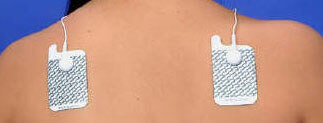
During treatment, electrodes are normally placed on top of the skin in the area of a muscle that requires treatment. A mild electrical current is delivered through the electrode pads to stimulate the targeted nerves or muscles. Electrical Stimulation therapy is a widely used modality in physical therapy. In fact, many people can do this type of therapy in their own home by purchasing a therapy machine or device.

This type of therapy helps individuals in many different ways. Some can recover from injuries by building strength and reducing muscle atrophy. It is also often used in this way to help stroke victims recover. Others have found benefits in reducing their edema and helping them deal with acute or chronic pain. There are many different types of machines offering this type of therapy, and their benefits often vary.
Electrical Stimulation Machines
TENS Units
TENS Units, or Transcutaneous electrical nerve stimulation, are mostly used for pain relief. Many individuals use a TENS Unit or E-Stim as part of their pain management treatment, and it works well for many pain conditions related to the nerves. When using a TENS unit, the electrodes are usually placed along the nerve strands on the skin’s surface.
TENS therapy is thought to help reduce pain by interfering with pain signals traveling to the brain, often referred to as the Gate Control Theory of Pain. Like the gate theory, our body initiates signals that trigger the pain and open a gate. The TENS Unit produces another form of electrical signal to close the gate. Interrupting the ongoing pain signals makes a TENS unit so effective.
It has been commonly used for the following.
- Pain associated with muscles and joints, including backaches, neck pain, and arthritis.
- Nerve pain, including neuropathy, sciatica, or fibromyalgia.
- Recovery from a sports injury or surgery.
NMES Unit
NMES Units, or Neuromuscular Electrical Stimulation, are used mainly to help your muscles contract after an injury or surgery. The electrodes are applied to a single muscle group, and their signals duplicate the electrical signals the body normally produces, instructing the muscle to contract, helping the muscle to perform better. Our muscles contract all the time. That is how our body performs its many tasks. This type of stimulation is two-fold in that it also helps promote circulation to the area that needs healing.
This is often used after the following:
- Knee replacement
- Shoulder surgery
- ACL injuries
- Stroke rehabilitation
- Muscle weakness
High Voltage E-Stim
High voltage E-Stim is typically used to reduce pain and promote circulation. Some individuals believe that high voltage current is able to go deeper into the tissue. It is often used by physical therapists to help reduce pain, decrease swelling, and promote circulation during the early stages of healing.
Potential Benefits of Electrical Stimulation Therapy
Electrical stimulation therapy and machines have been used for many individuals and may help with the following:
- Reduce acute and chronic pain
- Promote circulation
- Improve muscle strength
- Reduce muscle atrophy after injury or surgery
- Improve muscle re-education
- Reduce swelling
- Support rehabilitation after stroke or orthopedic injuries
- Improve mobility during recovery
Who Should Avoid Electrical Stimulation?
Electrical stimulation is generally considered safe when used appropriately, but it may not be suitable for everyone.
Talk with your healthcare provider before using this type of therapy if you:
- Have a pacemaker or implanted defibrillator
- Are pregnant (especially over the abdomen or lower back)
- Have epilepsy
- Have cancer in the treatment area
- Have open wounds unless directed by a healthcare professional
- Have reduced sensation in the treatment area
Electrical stimulation therapy is one tool that may help reduce pain and improve recovery. While it doesn’t treat the underlying cause of every condition, many people find it helpful as part of a comprehensive pain management plan that includes movement, healthy lifestyle habits, proper nutrition, stress management, and professional medical care when needed.
References: https://www.saebo.com/guide-electrical-stimulation/
https://www.prohealthcareproducts.com/blog/waveforms-used-in-electrical-stimulation-therapy/
https://www.verywellhealth.com/estim-use-in-physical-therapy-2696490
https://www.verywellhealth.com/electrical-stimulation-2696122