
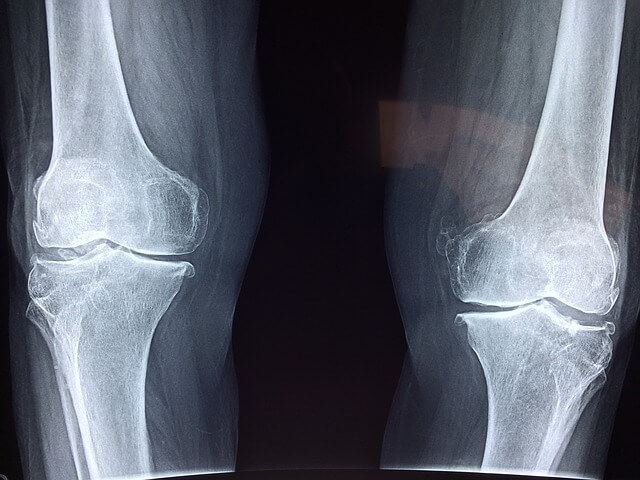
Painful Joints and Stiff Muscles: Ways to Move More Freely
Painful joints and stiff muscles can make simple movements a lot more difficult. Movements like getting out of a chair, walking, gardening, exercising, or even doing everyday tasks can become uncomfortable when your joints don’t move as freely as they once did.

While joint and muscle discomfort can become more common as we age or get older, it isn’t something we should simply accept as inevitable.
Movement, nutrition, hydration, maintaining a healthy weight, and other healthy habits can all play a role in supporting your joints and muscles and helping you stay active.
Supporting Painful Joints and Stiff Muscles
Keep Moving. When you’re stiff or uncomfortable, it can be tempting to move less. However, regular movement can actually help you maintain joint mobility, muscle strength, flexibility, and overall function. Walking, stretching, swimming, and other low-impact activities can be good ways to keep your body moving. Start with what is comfortable for you and gradually build from there.
Strengthen Your Muscles. Strong muscles help support and stabilize your joints. Strength training doesn’t have to mean lifting heavy weights. Resistance bands, body-weight exercises, and light weights can all help maintain your strength as you get older. With strong muscles and flexibility, you can maintain healthy joints as you get older.
Eat Nourishing Foods. What you eat supports your entire body, including your muscles and joints. Focus on whole foods, including vegetables, fruits, quality protein, healthy fats, nuts, seeds, and other nutrient-rich foods. You can also learn more about following an anti-inflammatory diet.
Consider Herbal Support. The discomfort of painful joints can be discouraging. Ginger and boswellia are two herbs that have been studied for their potential benefits in supporting joint comfort and managing inflammation. Ginger is easy to incorporate into your meals or to drink as a tea. Boswellia is commonly available as a supplement.
Stay Hydrated. Water is super important throughout the body and is a big component of the synovial fluid that helps your joints move smoothly. Make hydration one of your daily healthy habits.
Use Heat for Stiff Muscles. Warmth can feel soothing when muscles and joints are stiff. A warm shower, bath, or heating pad may help relax tight muscles and make movement more comfortable.
Try Cold Therapy. Cold packs can help ease the discomfort and swelling, particularly when a joint is irritated. Wrap the cold pack in a towel, instead of applying it directly to your skin.
Massage Therapy. Gentle massage can help relax tight muscles, ease discomfort, and support circulation. It can also be a wonderful way to reduce stress.
Essential Oils for Sore Muscles and Joints. Essential oils can also be incorporated into a massage oil or lotion to relieve sore, stiff muscles. Three of my favorites are Lavender, Ginger, and Eucalyptus. All three oils offer analgesic and anti-inflammatory benefits. Lavender is wonderful for relaxation, Ginger is a warming oil and penetrates deep into the skin, and Eucalyptus is another favorite for massage blends due to its anti-rheumatic properties.
Pay Attention to Your Weight. Maintaining a healthy weight can reduce the amount of stress placed on weight-bearing joints such as your knees and hips. Rather than focusing on a restrictive diet, work on creating eating and movement habits you can maintain. Focus on a gut-healthy diet.
If your goal is to learn more about maintaining your painful joints and stiff muscles as you get older, read Joint Health – Don’t Settle for the Inevitable, where I talk more about cartilage, synovial fluid, nutrition, and supporting joint mobility.
Keep Moving
Being able to move comfortably is an important part of staying active and independent as we get older. One of the biggest reasons people can’t remain independent is their inability to get up from a seated position. Changing everything at once is too much. Just pick one of the above support tips and focus on it and do it. Small habits add up.
If chronic pain is making movement more difficult, you can also visit my Living With Chronic Pain Learning Center for practical information and support.
This article was originally published as part of the Sunshine Sharing newsletter series.
Browse the archive.