
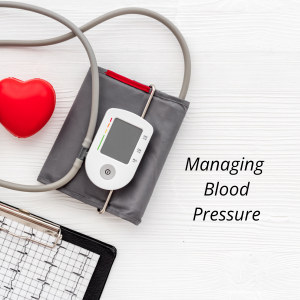
Managing Blood Pressure Naturally After 40
Have you been told your blood pressure is creeping up? Managing blood pressure is essential to your health, and many of us don’t realize how closely it relates to what’s happening in the body. It’s not just your blood pressure; it’s your gut, metabolism, and nervous system. Without healthy blood flow, the cells in our body won’t receive the oxygen and nutrients they need. The cells also won’t be able to eliminate their metabolic waste products and carbon dioxide.
Why Managing Blood Pressure Matters
Blood pressure is closely connected to metabolic health because blood sugar balance, inflammation, stress, circulation, hydration, and nutrition all affect how well the cardiovascular system functions. Supporting healthy lifestyle habits can help support both metabolic wellness and healthy blood pressure levels.

Part of healthy blood flow is maintaining the proper amount of pressure in the arteries. If the pressure is too high, it increases the risk of heart disease and stroke and can damage the brain, kidneys, eyes, and other organs. If it is too low, blood can’t get to the tissues where it is needed.
While low blood pressure (hypotension) is less common, it still causes problems with dizziness, mental confusion, fatigue, headaches, blurred vision, and even heart palpitations. Orthostatic hypotension is a temporary form of low blood pressure that occurs when the body takes longer to compensate when moving from sitting to standing.
Unfortunately, a large percentage of people have issues with blood pressure. The current estimate is that high blood pressure (hypertension) is a problem for about one-third of the adults in the USA, about 100 million people. Another 59 million Americans have pre-hypertension, which means their blood pressure is not dangerously high but higher than optimal.
Blood Pressure and Heart Rate
Healthy blood pressure ranges between 90/60 and 130/90. Blood pressure above 130/90 is considered high, and pressure below 90/60 is considered low. Currently, the optimal blood pressure range is 115/70 to 125/80.
Managing blood pressure requires understanding the numbers. You may have noticed a top number and a bottom number. The top number is systolic and represents the pressure the heart must pump to move blood through your blood vessels. The bottom number, diastolic, represents the pressure in your blood vessels when your heart is not pumping.
Your heart rate is another vital number when trying to understand blood flow. It measures how many times your heart beats in a minute, which indicates how hard your heart is working. The average resting heart rate is between 60 and 100 beats.
The Gut Health Connection
Emerging research continues to show a strong relationship between gut health, inflammation, and cardiovascular wellness. When the gut microbiome becomes imbalanced, it can contribute to chronic inflammation, blood sugar imbalance, and stress on the cardiovascular system. Supporting gut health may help support healthier blood pressure and overall metabolic function.
Natural and Healthy Lifestyle Tips for Managing Blood Pressure
Managing blood pressure naturally often starts with small, consistent daily habits, including the foods you eat, movement, sleep, hydration, stress management, and supporting gut health. Supporting these foundational habits helps support your body as a whole without focusing on symptoms alone.
Reduce Sugar and Support Blood Sugar Balance
Excess sugar can contribute to high blood pressure. A Mediterranean diet, which focuses on fruits, vegetables, whole grains, olive oil, and limited saturated fat, is beneficial for managing high blood pressure. If you are dealing with sugar cravings, consider our 5-Day Sugar Detox to help you manage them.
Support Magnesium Levels
Magnesium deficiency can contribute to high blood pressure, and many people have found that they are deficient in magnesium. Magnesium is used by every cell in the body and helps protect the body against heart disease.
Enhance Nitric Oxide Production
Nitric oxide acts as a natural vasodilator, relaxing your blood vessels and contributing to lower blood pressure. Far Infrared Heat and beets, due to their nitrates, can help with nitric oxide production.
Herbal and Aromatic Support
To support a healthy circulatory system, consider herbs like capsicum, garlic, ginkgo, hawthorn, nettle leaf, olive leaf, and rosemary. You can also diffuse essential oils like lavender to help you relax, rosemary to promote awareness, and ylang-ylang to help support healthy blood pressure, especially when high.
Stress and Your Nervous System
Stress is a major contributor to inflammation and high blood pressure. When your nervous system remains in fight-or-flight mode constantly, your cardiovascular system pays a price. Simple habits like deep breathing or taking a walk outside can help bring your nervous system back in balance.
Where to Start
If your blood pressure numbers are moving in the wrong direction, managing blood pressure naturally often requires addressing the underlying factors that contribute to imbalance, including inflammation, stress, nutrition, circulation, and metabolic health.
If you’re ready to take a more natural, root-cause approach, start with the Healthy Habits Challenge, the same foundational system I used to rebuild my own health. For more targeted support, explore our 6 Week Clean Eating Kickstart.
This article was originally published as part of the Sunshine Sharing newsletter series.
Browse the archive