

Stress Reduction | Chronic Pain Support Group
Stress What Stress
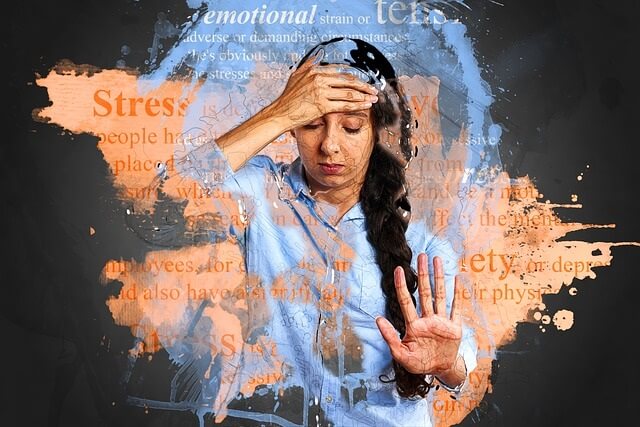
The holidays are upon us, and that usually means everyone is under more stress. Especially for those of us dealing with chronic pain or a chronic illness. However, stress isn’t limited to holidays. Day-to-day living can often become overwhelming, especially when you are trying to get everything done in between your downtime and your uptime. One of the best ways I have found to not become overwhelmed is to make a list and do a LITTLE bit each day. Stress reduction is important when managing pain.
Making a list helps you keep on top of the things that need to be done that are important to you. It is also a good way to keep you focused and on a schedule. If you haven’t done so, begin creating your list. Get comfy and jot down the things you need to get done or want to get done today, this week, or this holiday season.
Keep the list close by in case you want to add anything to it. Once your list is complete, review it. Make sure to ask others for help with the items you are going to need help with. If you don’t get item number one done today, try again tomorrow. Remember, many things can happen to anyone during any given day that are out of their control. So try to maintain flexibility and focus on one thing at a time. Keeping a list also helps with managing your time.
Some Tips for Stress Reduction
Stress can affect how we experience and cope with pain. If stress is getting to you, here are a few simple things you can try to help with stress reduction.
Meditation– For those of you not familiar with meditation, it is basically about focusing your attention and becoming more aware of your thoughts without getting caught up in them. Anyone can do it; it’s like exercise for your mind. It takes practice. All you need to do is focus your attention on a single object. Once your attention is on that object, continue to keep your mind focused on that object even when your focus gets interrupted with other thoughts. Meditation is the practice of awareness. The more you practice, the easier it is to focus. It also allows you to become mindful of your situation. Meditation gives you the ability you need to regroup.
Practice Deep Breathing – Did you know that taking a deep breath signals your nervous system to calm down? Before you start practicing deep breathing, pay attention to how you are breathing now that you are stressed. Most likely, your breathing is short and shallow. There are many different ways to practice deep breathing. Diaphragmatic breathing or deep abdominal breathing is easy to do. Breathe in through your nose and feel your abdomen fill with air as it pushes out. Then breathe out through your mouth with pursed lips, feeling the air leaving your abdomen. Try this for several breaths and notice how you feel. You may notice that you are much calmer.
Reach out for Support from Others – Sometimes you just need someone to talk to. If you have that family member or friend you can call and share with them how you feel, that’s great. If you don’t, try adding a page to your journal and express yourself with your writing. Make sure if you do talk with someone, that they are someone you can trust and someone you feel understands you. Both of these methods of expression are very helpful for stress reduction.
More Helpful Tips
Listen to Music – Many people find certain types of music calming to their soul. If you are one of them, make sure to keep your favorite relaxing music easily accessible and play it. Stop and listen to it. You may even want to practice deep breathing while you relax and listen.
Get up, Get Moving and do Something you Like to do – I understand that some of us can’t actually get moving in the form of exercise. However, many of us have lots of things we like to do. Take a moment and think of what you like to do that gets you up and going. If taking a walk, riding your bike, going to the park, or doing a craft project are things you like to do and find relaxing, take a break and go do it. Movement is great for stress reduction because it promotes endorphins.
Be Grateful – Living with chronic pain makes it easy to focus on everything that has changed or everything you can’t do. Pain definitely had an impact. However, practicing gratitude doesn’t mean ignoring your pain or pretending everything is okay. Being grateful is about taking a moment to recognize something good that is still present in your life. This might be a person you love, a beautiful day, something you enjoyed, or simply something that went well today.
I hope these tips will help you with stress reduction and managing your stress. These are some of the top tips that can offer some help. Continue to practice these tips as you go forward: meditation, deep breathing, music, movement, connecting with others, and gratitude. Integrate the ones that work for you and add them as part of your daily routine. They are great tools that will help you stay on top of life’s daily challenges. For more information and tools, visit our Living with Chronic Pain Resource Center.
Key Takeaways
- Stress can affect how you experience and manage your chronic pain.
- To make your days feel more manageable and less overwhelming, break your tasks up into smaller steps and ask for help.
- Meditation and deep breathing are two simple tools that can help you relax.
- Social connections, listening to music, and doing activities you enjoy can support your overall emotional well-being.
- When you are able, move. It’s another helpful way to manage your stress.
- Gratitude isn’t about ignoring your pain; it’s about taking the time and making room for the good things that are in your life.
- Find the stress reduction techniques that work best for you and make them a part of your routine.
