
Liver Health: How Your Liver Supports Detoxification and Overall Wellness
The Liver – Hepatic System
Your liver is one of the hardest-working organs in your body. It supports digestion, metabolism, hormone balance, and your body’s natural detoxification processes. Learning how to support liver health through healthy habits, nutrition, and targeted supplements can benefit your overall wellness.
The Liver
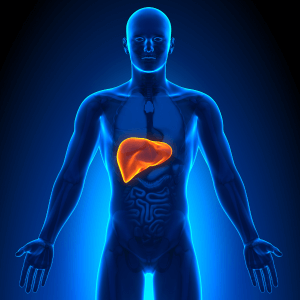
The hepatic system consists of the liver and gallbladder. The liver is the largest organ in the human body and is situated under the right side of the rib cage. It weighs between 3 and 4 pounds and has two lobes, the left and right lobes, with the right lobe being the larger of the two. It has two vital roles.
- Making or processing chemicals
- Neutralizing poisons and wastes.
Functions of the Liver are performed by its specialized cells, known as hepatocytes. These cells are equipped to handle the basic substances (proteins, carbohydrates, and fats) our bodies run on. Our blood carries these substances into the liver in one form, and the hepatocytes process them, after which they are carried out of the liver in a form that the body can use.

What Your Liver Does
- Filters blood
- Helps digest fats
- Produces bile
- Stores glycogen
- Processes nutrients
- Helps metabolize medications
- Supports hormone metabolism
- Helps neutralize and eliminate waste products
Protein Processing
The liver processes raw proteins from animal and vegetable sources into proteins that are acceptable to the body, excreting the waste. Proteins in the body are essential for the renewal and creation of cells, including the formation of hormones (the body’s chemical messengers) and the making of enzymes.
Carbohydrate Processing
Carbohydrates are the fundamental building blocks of all physical matter and are composed of carbon, hydrogen, and oxygen. Carbohydrates are typically found in foods that are sweet and/or starchy. Our bodies use carbohydrates for energy. Our muscles burn sugar-like substances for energy. The liver converts carbohydrates into glucose and stores it as glycogen. Glucose is used immediately for energy, and glycogen (or extra sugar) is stored for later use as energy. A balanced blood sugar level is essential for the body to maintain. A shortage can cause brain damage. The liver stores excess sugar and helps the pancreas and adrenal glands maintain blood sugar levels.
Fat Processing
The liver also converts fats into usable forms, and fats are transported by lipoproteins (aka cholesterol). LDL transports fats to the cells, while HDL transports fats back to the liver for elimination. This usable form of fat is necessary for building or renewing existing fatty tissue. This fatty tissue is typically located beneath the skin and also serves as a shock absorber for the body.
Waste Disposal / Detoxification
Other cells, known as Kupffer cells, “vacuum clean” the blood of its impurities. Some of these impurities are bacteria, excess red blood cells, and ammonia (which is produced when breaking down proteins). Fat (including cholesterol) and blood waste products exit the liver through bile. Bile is stored in the gallbladder until it is needed to play its part in the digestive process, which primarily deals with the digestion of fatty foods. Liver health is very important for maintaining metabolic and gut health.
Methylation is another important biochemical process involved in many functions throughout the body, including processes that take place in the liver. To learn more, read our Sunshine Sharing newsletter on Methylation.
The Liver and Herbalism
Traditional herbal systems such as Western Herbalism and Traditional Chinese Medicine have historically viewed the liver as an important organ for maintaining overall balance. These traditions associate the liver with digestion, circulation, emotions, and detoxification, although many of these concepts differ from modern medical understanding. The liver has many functions, and herbalists place a great deal of importance on it.
The Cherokee considered it to be the seat of healing. The Chinese believe it is the source of life, the ruler of the blood, and the organ that harmonizes the functions of all the other organs. Traditional Chinese Medicine associates the element of “wood” with the liver and gallbladder. The wood element represents the ability to grow, expand, and live. Traditional Chinese Medicine places significant emphasis on the liver’s role in overall wellness.
Supporting Liver Health: Traditional Signs Herbalists Look For
Because the liver plays such a huge part in detoxification and digestion, metabolism, and hormone processing, many herbal traditions associate certain symptoms with supporting liver health.
Digestive Symptoms
- Constipation – Bile acts as a natural laxative. If you are tight and restricted or lack bile, this can be an issue.
- High cholesterol levels – Most of the body’s cholesterol is manufactured by the liver. Cholesterol is used by the body to bind with environmental toxins. Excess cholesterol is then removed through bile. If bile flow is reduced due to a lack of fiber or water, it could lead to elevated cholesterol levels.
- Gas, bloating, or digestive discomfort – These symptoms could also signal mild dysfunction or reduced function.
- Nausea, vomiting, and diarrhea could be caused by the liver dumping excess toxins into the intestinal tract.
- Severe Body Odor – A General sign of body toxicity, and some feel it is time for some cleansing. Usually related to a slowdown in the digestive system.
Metabolic Concerns
- Diabetes – The liver works with other organs to maintain blood sugar levels.
- Hormonal imbalances and PMS – one of the responsibilities is to break down excess hormones. If you have problems with liver enzymes due to reduced function, you may not be able to break down the hormones, causing an imbalance.
- Hyperactivity – Irritation in the liver can make a person feel on edge and may even contribute to hyperactivity in children.
- Hyperglycemia – Inadequate stores of glycogen in the liver due to it being overburdened.
- Insomnia – Traditional Chinese Medicine suggests that the liver is most active around midnight. If you feel restless in the evening and are unable to fall asleep, it may be due to liver issues, especially if you wake up feeling groggy.
Other Concerns
- Flushing of the face and hot flashes – According to Traditional Chinese Medicine, the liver is believed to be the cause of the sensation of heat.
- Groggy feelings or brain fog can have many causes, including poor sleep, dehydration, medications, or other medical conditions. Traditional herbal systems have sometimes associated these symptoms with supporting liver health.
- Hay fever or allergy-induced asthma – The liver breaks down extra histamine through its enzymatic detoxification process. If this breakdown process slows down, histamine reactions can occur more frequently in the body, causing some people to experience respiratory problems.
- Headaches or migraines – If the liver has impaired detoxification or you are dehydrated, making it difficult to flush out toxins, you may experience frequent headaches or migraines.
- Skin Disorders – In Western Herbalism, skin disorders (such as acne, eczema, psoriasis, and rashes) are believed to be caused by impure blood. They are treated with herbs known as blood purifiers. Most of these herbs also improve the liver and the lymphatic system.
The Hepatic System and Emotions
Some people believe that the following emotional problems are also associated with liver health:
- Anger, irritability, and defensiveness – Traditional Chinese Medicine sees the liver as the seat of anger. Anger is the emotion that allows us to stand up and protect ourselves. If you relieve congestion, you will lose your anger.
- Depression and discouragement – A liver that is having trouble with detoxification or maintaining its own liver health can create these feelings.
Just because you have some of these physical or emotional symptoms does not mean your liver health is an issue. It is merely to educate you on how much of a role it plays in so many of the body’s processes.
If you have persistent symptoms or feel your liver health could benefit from professional assistance, it may be helpful to talk to your doctor.
Lifestyle Tips and Supplements for Liver Health
- Reduce the amount of chemicals from pesticides and food, including alcohol, that you intake.
- If you work around chemicals, make sure to wear protective clothing
- Use natural household cleaning products to avoid heavy metals and chemical solvents like formaldehyde
- Try to limit your exposure to environmental toxins
- Drink lots of water
- Dry Skin Brush to Promote Detoxification
- Eat plenty of fiber-rich foods to support healthy digestion and the body’s natural elimination pathways.
- Suppose you choose to add supplements to support your health. My favorite overall support is Milk Thistle Combination from Nature’s Sunshine Products. If you want a gentle cleanse, I like the Liver Cleanse. For a deeper cleanse, the Tiao He 15-Day Cleanse is highly effective.
You can also take our Brilliant Body Health Assessment to help you determine which body system is in most need of support.