
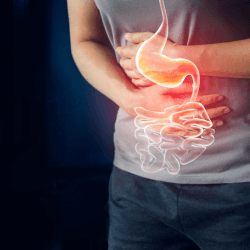
Intestinal System: How the Colon Supports Digestion and Gut Health
This post may contain affiliate links. I may earn a small commission if you purchase through these links at no additional cost to you.
Remember what I said: “We are what we eat, what we assimilate, and what we do not eliminate. Keep your colon rolling.“
The intestinal system plays a vital role in digestion, elimination, and overall gut health. The colon, the largest part of the intestinal system, helps absorb water and electrolytes while removing waste from the body.
When the intestinal system is functioning well, waste moves efficiently through the body. However, poor diet, stress, dehydration, and lack of fiber can slow this process, leading to digestive discomfort and other health concerns.
The Intestinal System: Our Body’s Waste Disposal System!
Our intestinal system, largely made up of the colon, has a tremendous job to do. Our modern lifestyle has led us to create some bad daily habits. Most of us eat more sugar and processed foods than we should, and most of us tend to abuse our bodies with stimulants and sedatives. Our bodies are also overexposed to hundreds of toxins daily through the air we breathe, the water we drink, and the products we use.
Typically, our bodies are very effective at eliminating toxins. However, with the hectic lifestyles we lead and the mounting stress we are under, most of us aren’t eliminating those toxins effectively because our intestinal system is overloaded.
Our intestinal system (the lower part of our digestive tract) is responsible for reabsorbing water and electrolytes, and for eliminating cellular waste and digestive by-products. Sounds simple, but it really is one of the most essential functions of the body.
The colon or large intestine consists of the following:
- The cecum is located at the beginning of the ascending colon, where the small intestine joins the large intestine.
- The ascending colon is found on the right side of the body.
- The transverse colon goes across the body.
- The descending colon is found on the left side of the body.
- The sigmoid is where the colon is connected to the rectum.
- The rectum is the exit.
The cecum is where water, fiber, and foods that the body cannot break down in the small intestine are stored. The last part of the small intestine is the ileum, and waste products enter the cecum through the ileocecal valve, which marks the beginning of the large intestine, also referred to as the colon. Each time this valve opens, contents are pushed from the ileum into the cecum.
The waste then moves to the ascending colon and begins its journey to the rectum. The colon, or large intestine, can absorb approximately 90% of the water, returning it to the bloodstream. The nerves and muscles of the colon regulate our bowel movements, which in turn control our transit time. The response our bodies have to stress can directly or indirectly affect gut function through the unique system of nerves within the bowel wall.
Transit Time Is Key
Transit time is the time it takes for food to move through the digestive system. Stress and a lack of muscle tone can significantly impair the function of our colon.
If transit time is too slow, excessive water is absorbed in the colon, which can lead to constipation and the buildup of waste in the intestines. Constipation can lead to the accumulation of toxins in the intestines, which can later be absorbed into the lymphatic system and bloodstream. The longer the transit time, the longer the toxic waste sits, putrefies, and has the potential to be reabsorbed. If this putrefaction process continues, it can lead to a condition known as autointoxication. The longer we expose our bodies to putrefied food in our intestines, the greater the risk we have of developing this condition. One of my favorite cleanses for helping with constipation is CleanStart Mild.
If transit time is too fast, fluids are not reabsorbed properly, which can result in diarrhea and dehydration. If you are dealing with diarrhea and are low in dietary fiber, adding Everybody’s Fiber to your diet can help slow things down.
Slow transit time can be caused by a variety of factors, including :
- stress
- certain medications
- poor dietary habits
- low intake of dietary fiber
- dehydration
- lack of exercise
- . My favorite, gentle cleanse from Nature’s Sunshine is CleanStart Mild.
Supporting healthy digestion and regular elimination helps keep the intestinal system functioning properly.
The Main Problem of the Intestinal System

Colon Polyps and Cancer
Polyps are abnormal growths of tissue in the colon and are a major concern for many people. Take a look at some of the following statistics.
- 95% of colorectal cancers develop from polyps.
- More than 130,000 new cases of colorectal cancer are diagnosed in the US each year.
- The National Cancer Institute states that colorectal cancer is the 3rd occurrence and cause of cancer deaths.
- Over 50,000 people in the US die annually as a result of colorectal cancer.
Risk factors for colorectal cancer include alcohol and tobacco use, a sedentary lifestyle, eating a diet rich in detrimental fats and low in fiber. Research studies show that the composition of a diet influences the diversity of gut microbes, providing a link between diet and colonic disease, including colon cancer.
Some conditions related to an unhealthy colon:
- Hemorrhoids
- Leaky Gut
- Diverticulitis
- Constipation / Diarrhea
- Polyps
- Cancer
- Ulcerative Colitis
- Irritable Bowel Syndrome
- Crohn’s Disease
Eating a diet too high in red meat, cheese, refined breads and cereals, fried foods, and foods high in sugar and salt can rob your body of critical electrolytes and deprive it of the fiber needed for proper digestion. A gut-healthy diet rich in vegetables, fruits, whole grains, and dietary fiber, along with exercise, can improve your ability to move food through your digestive system completely and easily.
The Intestinal System and Gut Health
The intestinal system also plays an important role in supporting the gut microbiome. A healthy intestinal system also supports the gut microbiome, which plays a major role in digestion, immunity, metabolism, pain, and inflammation. The colon is home to trillions of bacteria that help break down fiber, produce beneficial compounds, and support immune health.
When digestion slows or the balance of bacteria changes, intestinal dysbiosis can occur. This imbalance can contribute to symptoms such as bloating, fatigue, inflammation, and digestive discomfort.
Supporting the intestinal system through proper diet, hydration, fiber intake, and stress management can help maintain a healthy gut environment.
Things We Can Do – Keep Your Intestinal System Healthy
- Increase your fiber intake. Eat a variety of fiber-rich foods including vegetables, fruits, legumes, and whole grains. Some researchers suggest that 35 grams per day are needed, and it is essential to obtain fiber from both soluble and insoluble sources.
- Stay well hydrated throughout the day. Water is the best tool for cleansing. Make sure you drink a 1/2 ounce per lb of body weight per day. If you are undergoing a colon cleanse, it is essential to drink more water. A 200-pound individual should drink 100 ounces of water per day.
- Chew your food. Undigested meat and other foods can cause a mucus buildup in the colon, producing toxins that can enter the bloodstream.
- Take time to have a bowel movement. Do not resist the urge to go to the bathroom. This can cause waste material to accumulate and compact, leading to constipation.
- Manage stress and maintain regular physical activity
- Travel. When traveling, take measures to prevent constipation. Use a natural stool softener, such as Gentle Move, if necessary.
My favorite product for rebuilding health throughout the intestinal tract, especially if you have one of the conditions above, is Intestinal Soothe and Build. You may have to wait a while; however, it has helped many. You should also read our Digestive System Newsletter for more helpful information, tips, and supplements. You can also take our Brilliant Body Health Assessment to help you determine which body system needs the most support.