
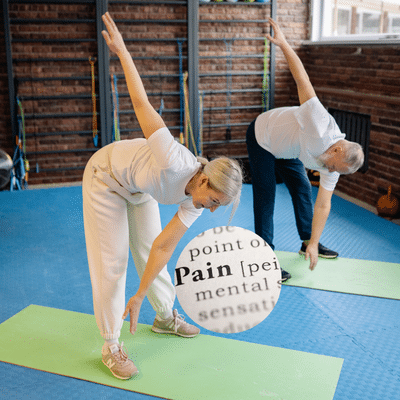
Movement for Pain Relief: Why Gentle, Consistent Movement Matters After 40
When you’re in pain, moving is often the last thing you want to do. It can even feel risky. Yet one of the most well-supported approaches to managing chronic pain naturally is to keep moving.
Not intense exercise, just creating movement for pain relief. It’s not about pushing through pain; it’s about staying healthy and better managing your pain. It’s about consistent, gentle, and intentional movement that supports your body.
How Movement Helps Reduce Pain
- Improves circulation
- Reduces inflammation
- Supports the nervous system
- Helps regulate stress hormones
- Improves mobility and strength
Why Movement Helps Reduce Pain and Inflammation
Movement is one of the best ways you have to reduce inflammation and manage chronic pain, and it works in several ways.
When you move your body regularly, you are supporting your circulation. Good circulation brings oxygen and nutrients to your tissues while flushing out waste products that can cause inflammation. Movement also triggers the release of feel-good endorphins and natural pain-relieving chemicals. It also helps regulate cortisol, which can help to reduce the stress-driven inflammation that makes pain worse.
Regular movement also supports gut health and the function of your metabolism. Both of these also impact how your body responds to pain. For people over 40, maintaining muscle mass and joint mobility becomes more important as the body changes with age.
The key is choosing the right kind of movement for pain relief by listening to your body as you begin moving.
The Best Types of Movement for Pain Relief
Not all movement is created equal when it comes to pain relief. High-intensity or high-impact exercise can stress your joints and tissues, which may already be inflamed. The goals when it comes to movement for pain relief are to find what type feels supportive, not what feels more harmful.
Walking
Walking is one of the most effective forms of movement for chronic pain, and it’s something you can do almost anywhere. It’s low impact, easy to adjust to your current ability, and gets you outdoors, which has its own benefits for the nervous system and stress response. Just 10 to 15 minutes a day is a meaningful starting point.

Stretching and Flexibility Work
Gentle stretching can help reduce stiffness, improve your range of motion, and release tension held in your muscles and connective tissue. It’s also one of the safest places to begin, especially if you’re dealing with a lot of pain. Incorporating stretching into your morning routine can help you feel calmer and more mobile. This will help by giving you a feel-good boost for the rest of your day.
Yoga
Yoga combines gentle movement, breathwork, and mindfulness. This helps both the physical and nervous system components associated with chronic pain. It also helps reduce inflammation, improve flexibility, and regulate the stress response. Yoga is one of the most well-rounded options for managing pain or improving pain relief.
Swimming and Water Exercise
For those with severe joint pain or limited mobility, water-based exercise is best. The buoyancy of water reduces the load on your joints while still allowing your body to move and provide resistance. Many people who struggle with land-based exercise find water-based movement is very helpful as a movement for pain relief.
Pilates and Core Work
Strengthening the core, which includes the muscles of the abdomen, hips, lower back, and pelvis, can provide better support for your entire body. This can also significantly reduce pain, particularly in the back and hips. Pilates is a gentle but effective way to build a foundation without overloading painful areas.
Strength Training
Building and maintaining muscle mass becomes increasingly important after 40. Stronger muscles support joints, improve metabolism, and reduce the physical strain that contributes to pain over time. It’s best to start light, maintain focus on your form, and build gradually.
How to Get Started When You’re in Pain
Starting a movement practice when you’re dealing with chronic pain requires a different approach than general fitness advice. Here’s what seems to work:
Start smaller than you think you need to. Doing too much too soon is one of the most common mistakes that can lead to flare-ups and setbacks. Begin with 5 to 10 minutes of gentle movement, and build from there.
Choose a movement you actually enjoy. If you want your movement to stick, it’s got to be something you enjoy. Whether it’s a walk in nature, a gentle yoga video, or dancing around your living room, the best exercise is the one you’ll actually do consistently.
Move in the morning if you can. Research and my personal experience show that people who exercise in the morning are more consistent over time. It also helps set a positive tone for your day and regulate your stress hormones.
Listen to your body. There’s a difference between the discomfort of gently challenging your body and pain that signals harm. Learn to tell the difference and listen to what your body is telling you. On difficult days, doing gentle stretching or a slow walk is always enough.
Be consistent over intense. A 15-minute walk every day will do more for your pain and inflammation over time than an occasional hard workout. Consistency is what creates lasting change.
Movement and the Mind-Body Connection
Movement doesn’t just affect your body; it also affects your mental and emotional state, both of which affect your pain. Regular movement helps to improve mood, reduce anxiety and depression, boost serotonin, and help regulate the nervous system. Chronic pain has both physical and emotional components, and movement helps support both.
Even gentle movement signals to your nervous system that your body is safe and capable. This begins to shift the heightened pain sensitivity that often develops with chronic conditions. Even gentle movement can provide meaningful benefits for pain and overall health.
Why Movement for Pain Relief Matters
Movement is a form of medicine, but only when it’s the right kind and done consistently. Approach movement with patience and self-compassion. It’s not necessary to run a marathon or push through pain to get the benefits. You just need to move your body gently and regularly, in ways that feel good and doable.
Start where you are. Build slowly. And trust that every step forward counts.
Not sure where to start?
Discover the path that fits your body and your symptoms.
→ Discover Your Path