
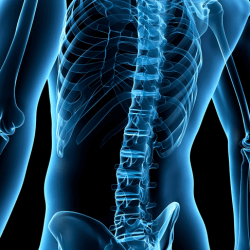
Structural System – Skeletal System
Overview of the Structural / Skeletal System
The skeletal system structure is complex. It is made up of bones, cartilage, bone marrow, joints, tendons, ligaments, muscles, and teeth. The adult human skeletal system consists of approximately 206 bones, whereas babies have around 270 bones. Those 270 bones fuse as we grow, resulting in fewer and larger bones. Bones have a hard, thick outer layer and a soft inner layer (marrow). There are different types of bones and cartilage, each with distinct functions and roles throughout the body.
The major functions of the structural system are to provide a framework for the rest of the body, to protect our organs, and to offer flexibility of movement. Our bones also create a home for bone marrow and a storage area for minerals.
Parts of the Structural System
Bone Marrow
Bone Marrow is the flexible tissue within the bones. The bone marrow can be either red or yellow in color. Yellow marrow consists mainly of fat and is found in the hollow interior of the middle portion of the long bones. Red marrow generates red blood cells, platelets, and most of the white blood cells. The red marrow is primarily found in the flat bones, such as the hips, breastbone, skull, ribs, vertebrae, and shoulder blades, of an adult. Bone marrow plays a crucial role in our immune system, as it produces stem cells. Stem cells can develop into many different types of blood cells.
Joints, Tendons & Ligaments
Joints are the points where our bones are linked together. Some joints can flex and bend, and this ability is what gives us our range of motion. There are two main types of joints: mobile or synovial and fixed or fibrous. Synovial joints are designed to allow a large range of movement. This type of joint is lined with a slippery coating called synovium. Fibrous joints are limited in their movement by fibrous tissue. There are also joints formed between bone and cartilage. These joints offer greater flexibility.
Tendons are tough bands of fibrous connective tissue that connect muscles to bones. Tendons are also able to handle varying degrees of tension.
Ligaments are the toughest. Ligaments are the strong bands of connective tissue that attach one bone to another. Your ligaments are mostly composed of collagen and some elastin, and they stretch very little. Fluid-filled sacs (bursae) within joints help reduce friction around certain joints.
More Structure
Voluntary muscles comprise our skeletal system. Muscles, together with the bones and tendons, are responsible for all forms of conscious movement.
Teeth are also part of the structural system, and most adults have 32. Each tooth in our mouth has its own nerve and circulatory system to carry away wastes through our bloodstream.
Skeletal System Structure Disorders

Osteoporosis
Means “porous bone”. It is a progressive disease where the density and quality of the bone decline. This type of weakening of the bone makes individuals extremely susceptible to bone fractures. Osteoporosis is usually diagnosed by measuring an individual’s bone density and is more common in women than in men.
Osteoarthritis
It is a degenerative joint disease and is in a group of diseases that involve the deterioration of joints, including cartilage and its adjacent bone. Signs may include joint pain, tenderness, stiffness, creaking, and locking. This disease rarely develops in individuals under 40 and is very common in individuals over 60. Usually, only one or two joints are affected.
Rheumatoid Arthritis
An autoimmune disorder and an inflammatory type of arthritis. The body’s immune system mistakenly attacks the synovium (lining inside the joint). It typically affects the small joints in the hands and feet but can occur in any synovial joint in the body. Rheumatoid Arthritis can cause painful swelling that can result in bone erosion and joint deformity. It causes daily pain, stiffness, and fatigue. Again, it is more common in women than in men and often affects those under 40.
Fibromyalgia
Although commonly thought of as affecting the structural system, it is a chronic pain disorder. Its characteristics are widespread pain, abnormal pain processing, sleep disturbances, fatigue, and sometimes associated psychological stress. Fibromyalgia is considered a syndrome rather than a disease because it is a collection of signs, symptoms, and medical problems that tend to occur together. Still, they are not related to a specific identifiable cause. It can be a debilitating syndrome that can interfere with one’s daily activities. If you have Fibromyalgia or another chronic pain condition, visit our Living with Chronic Pain Resource Center.
Lifestyle Tips for Strengthening and Supporting the Structural System
- Dietary Changes – Consume more fresh fruit and vegetables, as well as increased vegetable protein. Examples are legumes, beans, apples, bananas, lemons, limes, berries, asparagus, kale, broccoli, cabbage, yams, and sweet potatoes. You can view more on our healthy eating guide.
- Exercise daily and try to include weight-bearing and muscle-strengthening exercises in your routine.
- Water – Keep your body hydrated; it functions much better when you have roughly 8-10 glasses of filtered or spring water a day.
- Healthy Fats are essential for lubrication throughout the body, including our joints.
- Reduce Stress – Try to focus on gratitude and joy. For tips on managing stress, view our free workshop.
Learn More About Supporting Your Bones and Joints
Skeletal System | Maintaining Healthy Bones and Joints shares information on overall health and healthy habits.
Supporting Bone Health Naturally After 40 focuses on helping you maintain strong bones as you age.
Support Your Joint Health focuses on cartilage, mobility, and joint support.
Painful Joints and Stiff Muscles | Move Freely offers practical support for stiffness and discomfort.
Check out my favorite Nature’s Sunshine Products that support bone and joint health. You can also take our Brilliant Body Health Assessment to help you determine which body system needs the most support.
References: “Structural System” by Sylvia Rogers; “Know Your Body” by Emmet B. Keeffe, M.D.; Prescription for Nutritional Healing by Phyllis A. Balch, CNCJoints, Tendons, and LigamentsJoints, Tendons, and Ligaments