
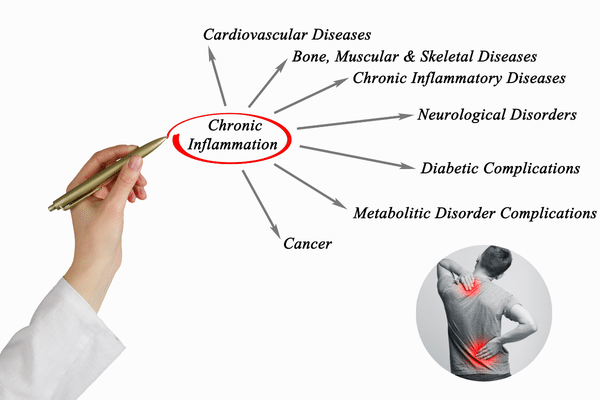
Inflammation the Underlying Cause of Many Health Concerns
While there are many chronic ailments and a variety of aches and pains you might be dealing with, most of them have one thing in common — they begin with inflammation. But before you write inflammation off as the enemy, it’s important to understand that not all inflammation is bad. In fact, your body depends on it. Chronic inflammation is the culprit.
What Inflammation Is Supposed to Do
Inflammation is your body’s natural response to tissue damage. When tissues are injured, your body releases biochemical messengers that trigger an inflammatory response. This response activates the immune system to check the injured area for invading microbes, sequesters the damaged area to slow the spread of toxins, and signals pain to alert you that something needs attention.
Once the infection is contained and the damage is under control, a new set of messengers kicks in to turn off the inflammatory response and begin the healing process. This is how it’s supposed to work — and when it does, it’s a remarkable system.
The problem starts when that “off switch” never gets activated.

When Inflammation Becomes Chronic
Chronic inflammation occurs when the body’s protective response doesn’t resolve. What was designed to protect you now works against you. Instead of initiating healing, ongoing inflammation begins to interfere with normal tissue function. It inhibits circulation, depriving affected tissues of oxygen, nutrients, and proper waste removal.
A chronically activated immune system can also begin attacking otherwise healthy tissues, leading to autoimmune reactions and degenerative disease. And that sharp, acute pain that once served as a useful warning signal? It gradually becomes dull, persistent discomfort that’s hard to ignore and even harder to shake.
Chronic inflammation isn’t just uncomfortable — it plays a central role in many chronic and degenerative conditions. Conditions like arthritis, heart disease, diabetes, autoimmune disorders, and yes, chronic pain, all have chronic inflammation at their root. When you understand this, it becomes clear that addressing inflammation isn’t just one piece of the puzzle — it’s the starting point for healing.
Why Inflammation Becomes Chronic
Inflammation becomes chronic when the body is continuously exposed to irritants that it cannot fully clear. Some of the most common drivers include:
- Poor diet — Most of us eat the Standard American Diet, which is full of refined sugar, processed oils, and ultra-processed foods. These foods flood the body with pro-inflammatory compounds.
- Gut imbalances — When the lining of your gut becomes damaged or imbalanced, it results in a poor microbiome, which can trigger ongoing immune activation that creates inflammation throughout the body as well as poor gut health
- Chronic stress — When under stress all the time, it keeps the nervous system in fight-or-flight mode. This releases pro-inflammatory chemicals that never fully switch off.
- Environmental toxins — Toxins are found in cleaning products, personal care products, and even the air we breathe. When we are exposed to them, they cause our body to work harder, which creates inflammation. It’s important to reduce your exposure.
- Sedentary lifestyle — We just aren’t moving like we used to. A lack of movement reduces circulation and slows the body’s natural ability to clear inflammatory waste, the lymphatic system
- Poor sleep — With poor diets, stress, and gut imbalances, poor sleep quality is one of the most underestimated drivers of chronic inflammation
Each of these factors contributes to the cycle, and many reinforce one another. That’s why targeting inflammation requires a whole-body approach, not just a single supplement or quick fix.
Three Steps to Reversing Chronic Inflammation
The good news is that chronic inflammation can be reversed. Your body has a remarkable ability to heal when given the right support. Here’s where to start:
1. Detox by Supporting Your Gut and Detox Pathways. Your gut and liver are your body’s primary filtration systems. When they become overburdened, inflammation builds. Supporting bowel regularity, eating liver-friendly foods like leafy greens and beets as well as high-fiber foods, and staying hydrated are foundational steps for helping your body detox naturally.
2. Remove Sources of Irritation. It’s best to cut back on the things that keep feeding the inflammation. These include junk food, alcohol, smoking, and exposure to toxic chemicals that are found in everyday products. You don’t have to remove everything at once, but each irritant you remove gives your body more capacity to heal.
3. Diet and Nourish Your Body With Anti-Inflammatory Foods and Herbs. Focus on eating a clean, whole-food diet rich in colorful vegetables, healthy fats, and anti-inflammatory herbs and spices such as turmeric, ginger, and rosemary. These foods and spices are more than just ingredients; they have documented effects on the body’s inflammatory pathways.
Why This Matters
Chronic inflammation doesn’t develop overnight. It also doesn’t resolve overnight. However, small, consistent steps in the right direction make a real difference.
When you begin to address the root causes like gut health, stress, diet, and lifestyle, your body will get the signal that it’s safe to shift out of survival mode and begin healing.
Not sure where to start?
Start with the 8 steps I used to regain my health.
→ Start with the Healthy Habits Challenge
Continue Learning
- Chronic Pain After 40: Natural Way to Support Your Body
- Environmental Toxins and Inflammation
- Gut Health and Pain Connection
- Foods That Reduce Inflammation
- Stress and Pain Connection
- Movement for Pain Relief
- Supplements for Chronic Pain