
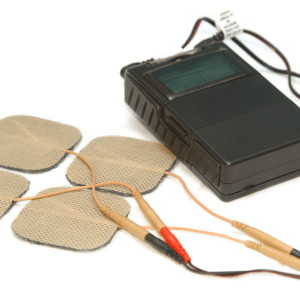
Transcutaneous Electrical Nerve Stimulation (TENS) for Chronic Pain
Introduction to TENS
Transcutaneous Electrical Nerve Stimulation (TENS) is a drug-free therapy that delivers mild electrical impulses through electrodes placed on the skin, using a small, portable device. TENS has been found to be beneficial for those dealing with chronic pain, low back pain, arthritis or joint pain, and who are recovering from injuries. This can offer an option for a natural pain-relieving therapy.
What Is a TENS Unit?
A TENS unit is a small portable device that uses electrode pads to stimulate your skin. The pads send mild electrical impulses to the nerves nearby. This signal is sent with the intent to interrupt or stop pain signals before reaching your brain. This stimulation not only helps interrupt the pain signals, but it also helps your body to release natural pain-killing endorphins. Many also feel a comfortable, yet tingling sensation during use. Some foot massagers also use electrical stimulation through electrode-style foot pads.
How Does It Work?

The unit is explained by the gate-control theory proposed by Melzack and Wall in 1965. The gate theory is based on the assumption that there is a “gate” in the spinal column that determines if the pain signal travels to the brain.
When the gate is open, pain signals travel to the brain. When the gate is closed, nonpainful signals travel to the brain.
The TENS unit provides non-painful sensory stimulation that may interfere with the transmission of pain signals, essentially helping to “close the gate.” Other mechanisms, including the body’s own pain-modulating chemicals, may also contribute to the relief some people experience.
Many things can contribute to the body sending more pain signals, including stress, anxiety, depression, fatigue, and focusing on your pain. These actions amplify your pain. To close the gate, activities like rubbing the painful area, applying ice, or using a TENS unit, relaxing, and distracting your attention away from the pain allow the gate to close.
Can TENS Help With Chronic Pain?
TENS units are used to help relieve many different types of pain, including neurogenic pain, musculoskeletal pain, visceral pain, and dysmenorrhea. Many individuals with chronic pain have had mixed results.
Research on Transcutaneous Electrical Nerve Stimulation for chronic pain has produced mixed results, and effectiveness can vary depending on the condition, settings, placement, and individual response. Some people experience useful short-term relief, while others notice little benefit.
I used TENS with my CRPS and found it beneficial, and I felt I would apply it externally and opted out of a spinal cord stimulator.
What Does TENS Feel Like?
The stimulation can be felt in many different ways. Regardless of how you interpret the stimulation, it should not be painful or hurt. Some people say it feels like pins and needles, similar to how you experience your foot waking up. Others feel a thumping or mild twitching. Some feel a wave-like sensation similar to massage.
Using a TENS Unit
They are easy to use.
- Get your device ready and hooked up to the electrode pads.
- Make sure you clean your skin before applying the pads to your skin, and make sure they are 1 inch apart and do not overlap or touch. If your area is small, use two pads and place one pad on each side of the painful area. If you are trying to cover a larger area, use four pads in a crisscross or X pattern.
- Turn on the machine and adjust the intensity by slowly turning the dial until you feel a sensation. The sensation should be strong, but not painful, and should not cause muscle twitching.
- Set the timer between 15 and 60 minutes. When you are through, turn the machine off and lower the intensity level.
TENS Safety and Precautions
Talk with your healthcare provider before using TENS if you are pregnant, have a pacemaker or another implanted electrical device, have epilepsy, or have a health condition that could affect its safe use. Avoid placing electrodes on broken or irritated skin, over areas with reduced sensation, or in locations specifically prohibited by the device manufacturer. Always follow the instructions and safety precautions provided with your TENS unit.
TENS vs. Other Types of Electrical Stimulation
TENS units were designed to target sensory nerves to block pain signals. Other electrical stimulation devices are used to target motor nerves to create muscle contractions (EMS/NMES). Transcutaneous Electrical Nerve Stimulation units are primarily used for temporary pain relief, while units used to stimulate muscles are used for rehabilitation, strengthening, and recovery.
Transcutaneous Electrical Nerve Stimulation is only one type of electrical stimulation used in healthcare and rehabilitation.
Looking for More Ways to Support Your Nervous System?
TENS is one tool that may help with pain management, but supporting your nervous system goes beyond what you do when pain flares. My 8-Week Nervous System Reset was created to help you understand how stress, pain, and the nervous system are connected while building practical habits to help calm stress, manage pain, and restore balance naturally.