
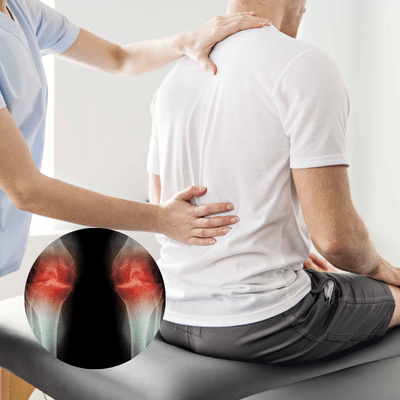
Types of Chronic Pain
Have you ever wondered why your pain feels different from someone else’s? I know I did. It’s because there are different types of chronic pain. Pain can feel different from person to person, and it may not even feel the same to you all the time. Chronic pain isn’t just one condition. It can develop for different reasons, feel different from person to person, and even change over time. Understanding the different types of pain can help you understand your symptoms and why your treatment plan is different than someone else’s.
What Are the Different Types of Chronic Pain?
Chronic pain varies, and it is often classified by “what is causing it,” not just where it hurts. It can feel like stabbing or shooting pain. Sometimes it feels like an ache or cramp. Many people experience more than one type of pain. Below you will find the different types of chronic pain and their symptoms.
Nociceptive Pain
Nociceptive pain is one of the types of chronic pain and includes nociceptive inflammatory pain. This is a type of pain caused by damage to body tissue. It is usually sharp, achy, or throbbing pain. This type of pain is mostly caused by an external injury like stubbing your toe, surgery, twisting your ankle, or cutting yourself. It is usually experienced in the joints, muscles, skin, tendons, and bones. Although nociceptive pain can begin as acute pain, it can become chronic if the underlying condition persists or healing doesn’t occur as expected.

Some examples include:
- Osteoarthritis
- Muscle injuries
- Back pain
- Joint pain
Neuropathic Pain
Neuropathic pain is usually caused when there is damage to the nerves or the nervous system caused by disease, injury, or loss of limb. This pain is often felt as shooting, stabbing, or burning pain. Sometimes it feels numb or like pins and needles or electric shocks. It can also leave you feeling oversensitive to touch and temperature. It is tricky and can be intermittent as well as severe, making it difficult to perform everyday tasks. It can also interfere with normal movement, leading to mobility issues. This is one of the types of chronic pain I felt with my CRPS.
Some examples include:
- CRPS
- Diabetic Neuropathy
- Shingles (postherpetic neuralgia)
- Sciatica
Nociplastic Pain
Nociplastic pain is pain that arises from changes in how your nervous system processes pain rather than from tissue damage. It is characterized by an increased sensitivity of the nervous system rather than ongoing tissue damage. This type of pain may reflect changes in the way the nervous and immune systems function. The net effect is that pain can be amplified, may be widespread, and can involve various tissues (body, viscera). It may also be greater than would be expected given the amount of identifiable tissue or nerve damage. Think of this type of pain as a fire alarm that keeps going off even though the fire has been put out. Nociplastic pain may not respond to treatments in the same way as pain caused primarily by tissue or nerve damage and often requires a tailored approach addressing factors such as lifestyle, mood, activity, work, and social factors.
Some examples include:
- CRPS
- Fibromyalgia
- Some chronic headaches
- Some persistent back pain
Central Sensitization
Central Sensitization is a common term for those with CRPS. Central sensitization occurs when the central nervous system becomes overly responsive, amplifying pain signals even when there is little or no ongoing tissue damage. This enhances the response your body has to sensation. This includes several types of chronic pain and is usually only seen in patients with nociplastic pain. However, not all nociplastic pain is considered central sensitization. They are not the same. Management may include approaches aimed at reducing nervous system sensitivity and improving how the body responds to pain.
Mixed Pain
It is not uncommon to experience several different types of pain. We refer to this as a “mix” of pain types. Current research suggests that understanding the types of chronic pain is important because it may influence which pain management treatments are best for you.
For example, someone with arthritis might:
- Develop muscle pain from changing the way they move.
- Experience nerve irritation.
- Become more stressed.
- Sleep poorly.
Over time, several pain mechanisms may contribute to the person’s symptoms, which is why treatment often requires more than one approach.
Pain Can Change Over Time
It’s important to understand that pain isn’t static. You can have an injury that begins as acute, becomes chronic, develops nerve sensitivity that affects your emotions, and impacts your sleep and movement. How your pain changes also impacts your pain cycle. This is one reason chronic pain management often changes over time as well.
Why Understanding Your Pain Matters
Understanding the type of pain you’re experiencing can help you communicate more effectively with your healthcare providers and better understand why certain treatments are recommended. It also helps you set realistic expectations, communicate more effectively with all your healthcare providers, and reduce frustration during treatment.
My Perspective
When I first developed CRPS, I didn’t understand why my pain behaved so differently from other injuries I had. Learning that different pain mechanisms exist helped me better understand my condition and how I managed it and responded to it. That is why I feel that managing chronic pain requires looking beyond the original injury.
Key Takeaways
- Chronic pain isn’t one disease.
- Different pain types behave differently.
- Many people experience more than one pain type.
- Understanding your pain helps you make informed treatment decisions.
- Chronic pain often requires several approaches.
If you want to learn more about living with chronic pain? Explore my Living With Chronic Pain Learning Center for practical information on understanding chronic pain, healthy habits, pain management options, coping skills, and becoming your own advocate. To learn how you can help spread the word about the impact chronic pain has on our society, read more about Pain Awareness Month.