
Home Remedies for Lower Back Pain
Managing lower back pain and overall muscle soreness isn’t a new concern, but there are effective home treatments available to help alleviate your discomfort. Understanding the underlying causes of your lower back pain is the first step toward finding relief.
Muscle soreness and tension often occur as the result of stress, overuse, or injuries. Lower back pain can be caused by sciatica, slipped or herniated discs, muscle spasms, strains, and sprains. Arthritis and spinal stenosis can also contribute to chronic pain. Pinpointing the exact source of discomfort can be hard.
Lower back pain is extremely common. Most people will experience it at some point during their lives. Back pain may develop from an injury, overuse, muscle strain, changes in the spine, or sometimes without an obvious cause.
Fortunately, various home treatments can help manage and relieve pain. By incorporating specific techniques and tools into your routine, you can effectively address muscle soreness and lower back strain. Keep reading to explore practical solutions for improving your comfort and well-being.
Stress: A Common Cause of Lower Back Pain

We all can use a little relaxation because stress is always on the menu. Today’s hectic lifestyle keeps our daily stress levels turned up. Unfortunately, stress is a regular part of life for many Americans. Recent reports show that nearly half of Americans experience significant stress on a daily basis. Just think about that 30-minute or more commute to work in the morning.
Chronic stress can affect blood pressure, contribute to muscle tension, and influence inflammatory processes in the body. If you couple your stress levels with the current Standard American Diet, full of sugar and processed foods, it can also contribute to inflammation.
Stress can also be a major culprit in creating muscle tension, lower back aches, muscle soreness, and muscle pain. We all need to relax and let our bodies and minds take a break! Have you ever asked yourself why we keep going and going until we can’t go anymore?
Do you Show Symptoms of Stress?
It’s no secret that stress can wreak havoc on the body, especially when dealing with it daily. Stress affects our body, our mind, our energy level, and can impact how we feel overall. Many of us think that when we experience pain or don’t feel well, l something is wrong and we are sick. However, stress may be the culprit! Stress influences us physically, affects our mood, and our behavior. Below is a list of some examples of how stress influences us.
- Physical Symptoms: Headaches, Muscle Tension, Muscular Aches and Pain, Muscle Soreness, Fatigue, Sleep Problems, and Digestive Problems.
- Mood: Anxious, Restless, Overwhelmed, Angry or Irritable, Sad, and even Lack of Motivation.
- Behavior: Overeating or Not Eating Enough, Overuse of Tobacco or Alcohol, Becoming Withdrawn Socially.
Stress also impacts our immune system. When stressed, we activate the part of our nervous system that prepares us for fight or flight. Our fight-or-flight system increases our heart rate and blood pressure, tells our digestive system to quiet down, and activates our stress hormones, impacting our immune system. Chronic stress can also affect how our immune system functions and can contribute to muscle tension and pain. Managing your stress is one way to support your body when dealing with lower back discomfort.
Keep Moving
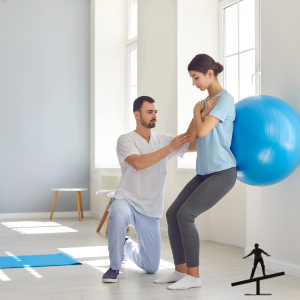
When your lower back hurts, you may be tempted to stay in bed or avoid moving altogether. However, gentle movement can often be helpful for lower back pain. You don’t have to do anything extreme. Walking, stretching, yoga, and other low-impact activities can help keep you moving and prevent your back from becoming stiff.
Ease back into activity gradually and listen to your body. If an activity increases your pain, stop and talk with your healthcare provider or physical therapist about which movements are appropriate for you.
Treatments for Lower Back Pain – Home Remedies
Below are some of my favorite things to do at home that can be used to help manage lower back pain and discomfort.
- Manage your Stress. Deep breathing, watching a funny movie, reading a good book, and listening to your favorite music help.
- Start Eating Healthier. It is no secret that our diet and the toxins we expose ourselves to can be culprits for pain. Start limiting your caffeine intake and eliminating processed and sugary foods. Start eating lean meats, whole grains, whole foods, and lots of vegetables and greens. Eating more greens and plant foods can provide minerals that help support the body’s normal acid-base balance, including during exercise.
- Stay Hydrated. Focus on drinking water and herbal teas. Avoid sugary drinks and lots of caffeine, which can disrupt your gut microbiome and contribute to an unhealthy inflammatory response.
- Take a walk. Walking outside in nature is one of the best exercises you can do. It works great for relaxation and gently works your muscles.
- Try Heat or Cold. Cold packs can be useful after an acute injury, while heat can help relax tight or stiff muscles. I personally like using far infrared heat when my muscles are sore, or my back feels tight. Pay attention to what feels best for you and protect your skin from direct exposure to extreme heat or cold.
- Add Some Supplements to support structural health. Nature’s Sunshine makes a great Structural System Package for overall support.
- Pain creams can also be beneficial for soothing tight muscles. My favorite is Tei Fu Massage Lotion. It provides a warming sensation that I find especially soothing for sore muscles and joints. I love it!
Deep breathing, appropriate movment or physical therapy, a healthy diet, and staying hydrated can all help you manage your muscle soreness, low back pain, and stress. With less achiness and stress, you may find it easier to move, stay active, and feel better overall. Won’t it feel great to have fewer muscle aches and pains?
If you are dealing with this type of concern, you can also view our newsletter on Painful Joints and Stiff Muscles for natural remedies and tips to help with those.
FAQ on Lower Back Pain
What types of products are available for relieving lower back pain?
There are various types of products available for relieving lower back pain, including:
Heating Pads: Provide soothing heat to relax muscles and improve circulation.
Cold Packs: Help reduce pain and swelling (inflammation) after an injury.
Support Belts: Offer lumbar support and may help stabilize the lower back to prevent further strain.
Foam Rollers: Aid in muscle release and reduce lower back tension.
Topical Pain Relievers: Include creams and gels that provide localized pain relief using ingredients such as menthol or capsaicin.
Massage Devices: Offer therapeutic massage to relieve muscle tension and improve blood flow.
How do heating pads help relieve lower back pain?
Heating pads help with lower back pain relief by applying heat to the affected area.
The heat increases blood flow to the muscles, which can help to:
Relax Muscles: Soothing heat helps to relax tight or spasmed muscles.
Improve Circulation: Heat increases blood flow to the area and can help reduce stiffness.
Alleviate Pain: Heat can help to reduce pain perception by relaxing the muscles and soothing the nerves.